
The following projects are from the phenomenon that is the Carabanchel area in Madrid, where thousands of social housing residences can be found, housed within dozens of architecturally design buildings.
The government and ‘alcaldia’ worked hard to create a neighbourhood and community within Carabanchel dedicated to high quality social housing projects.
Typically initiated by the EMV (Empresa Municipal de la Vivienda), these forms of housing by top, and emerging, architects seek to break the stigma’s attached to social housing (partly through the creation of beautiful buildings by recognized architects), but more importantly to provide accommodation of significance and quality to improve the lifestyle , confidence and pride of families living in subsidized dwellings.
The benefits to such families are significant. But it is also the equality that it provides these families that is of great relevance – they are not restricted to options of older, outdated, derelict or degenerated housing but infact have access to some of the most progressive and bold housing in the country.
Many of these projects were built around ten years ago. I visited when they were just constructed – they look just as powerful and graceful ten years later.
These include:
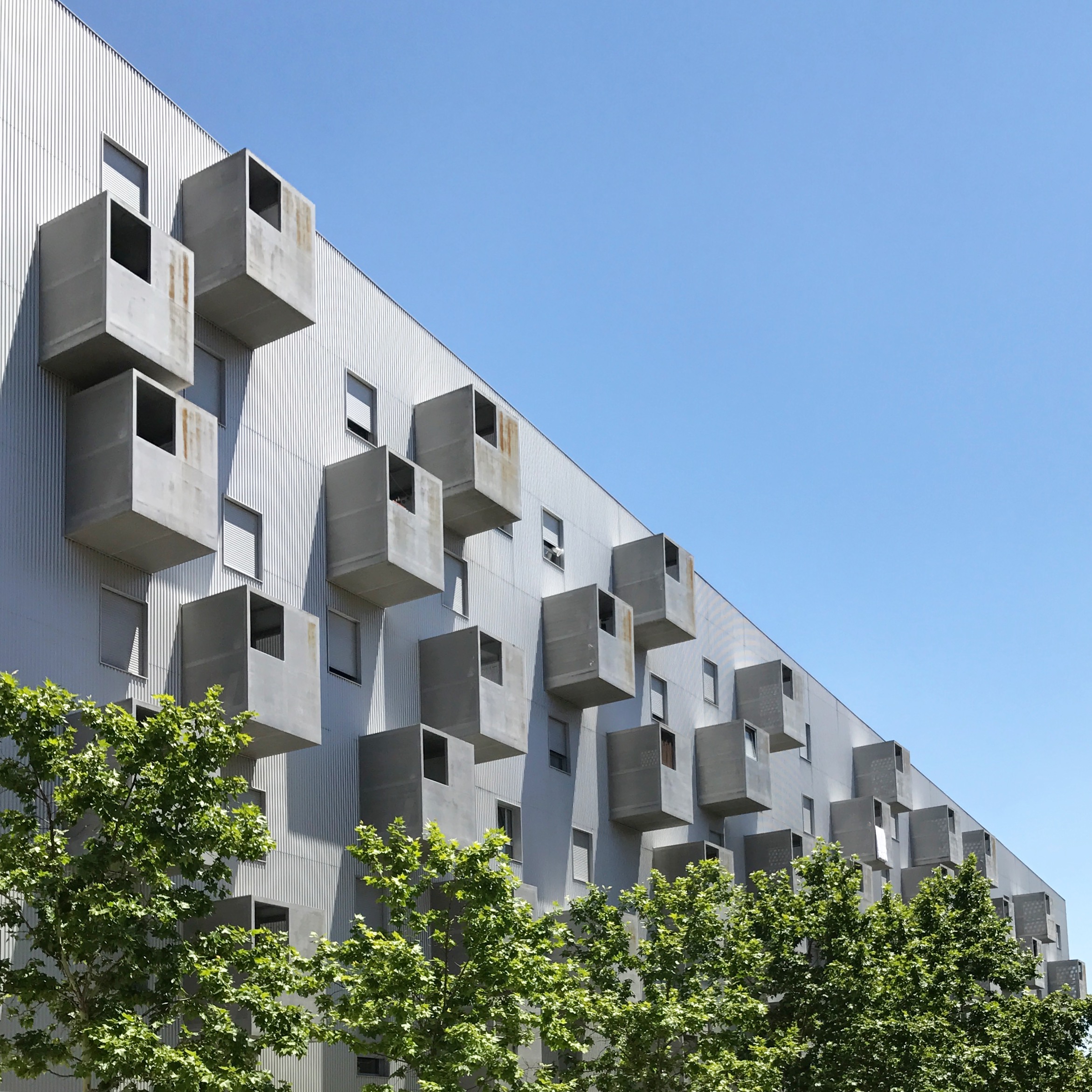
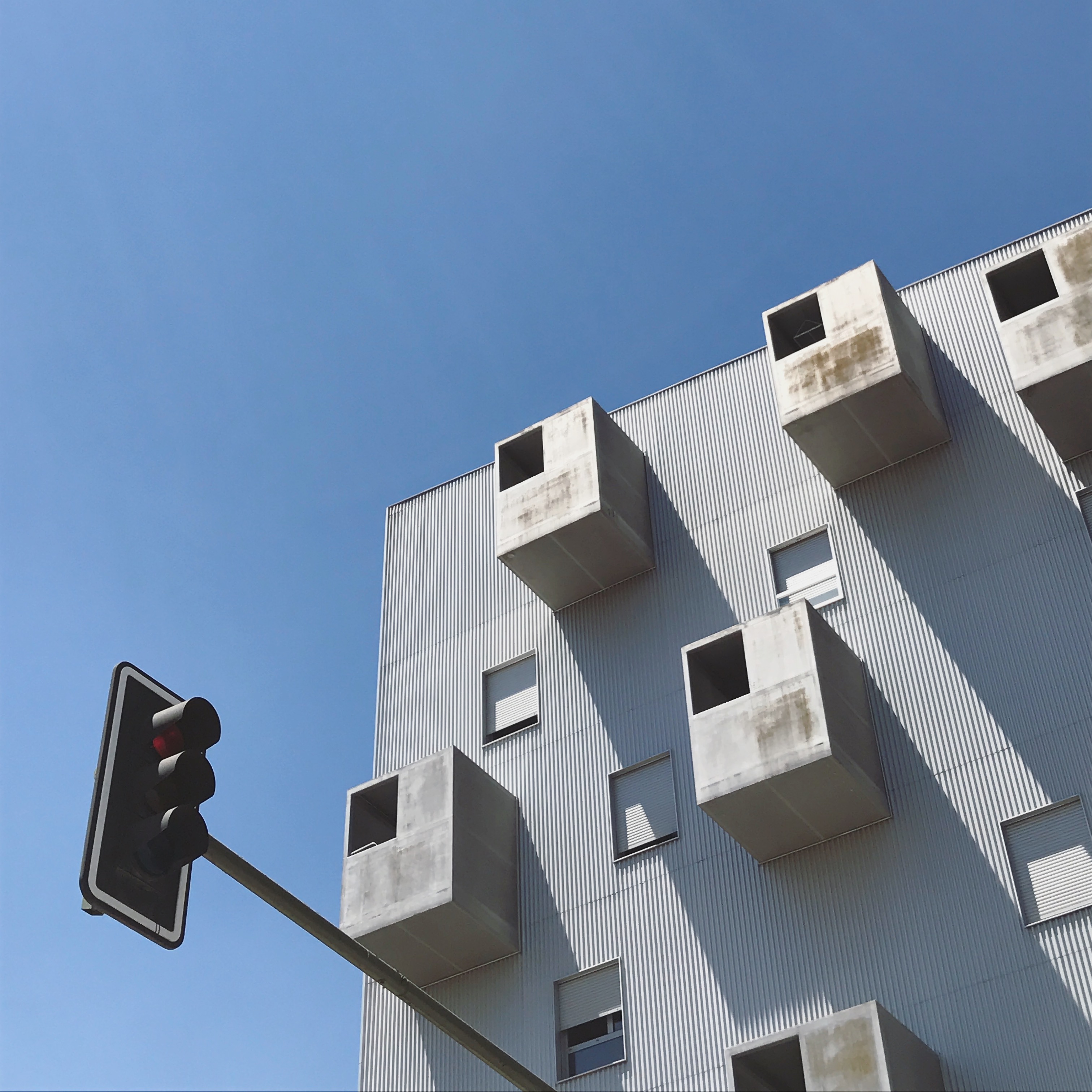
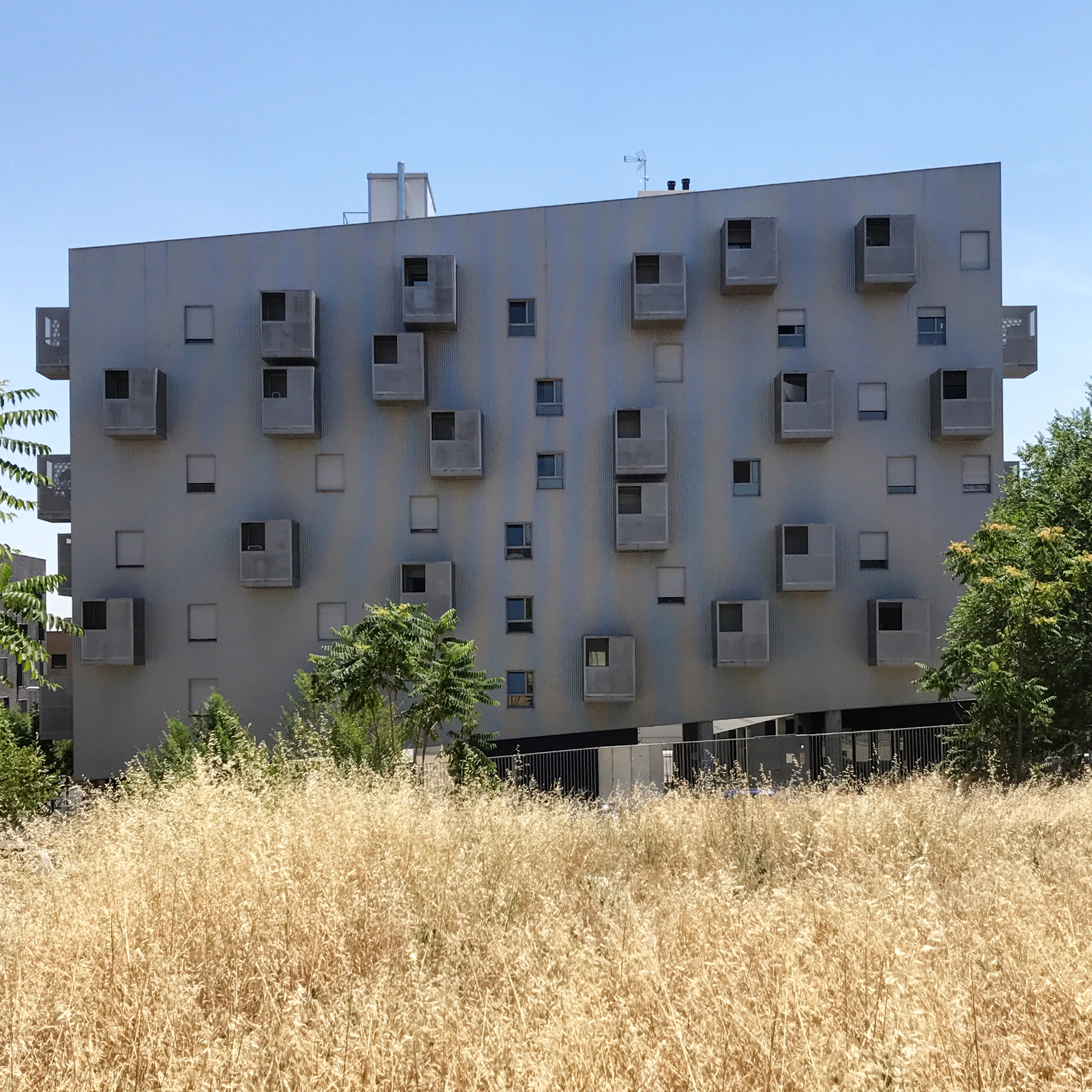
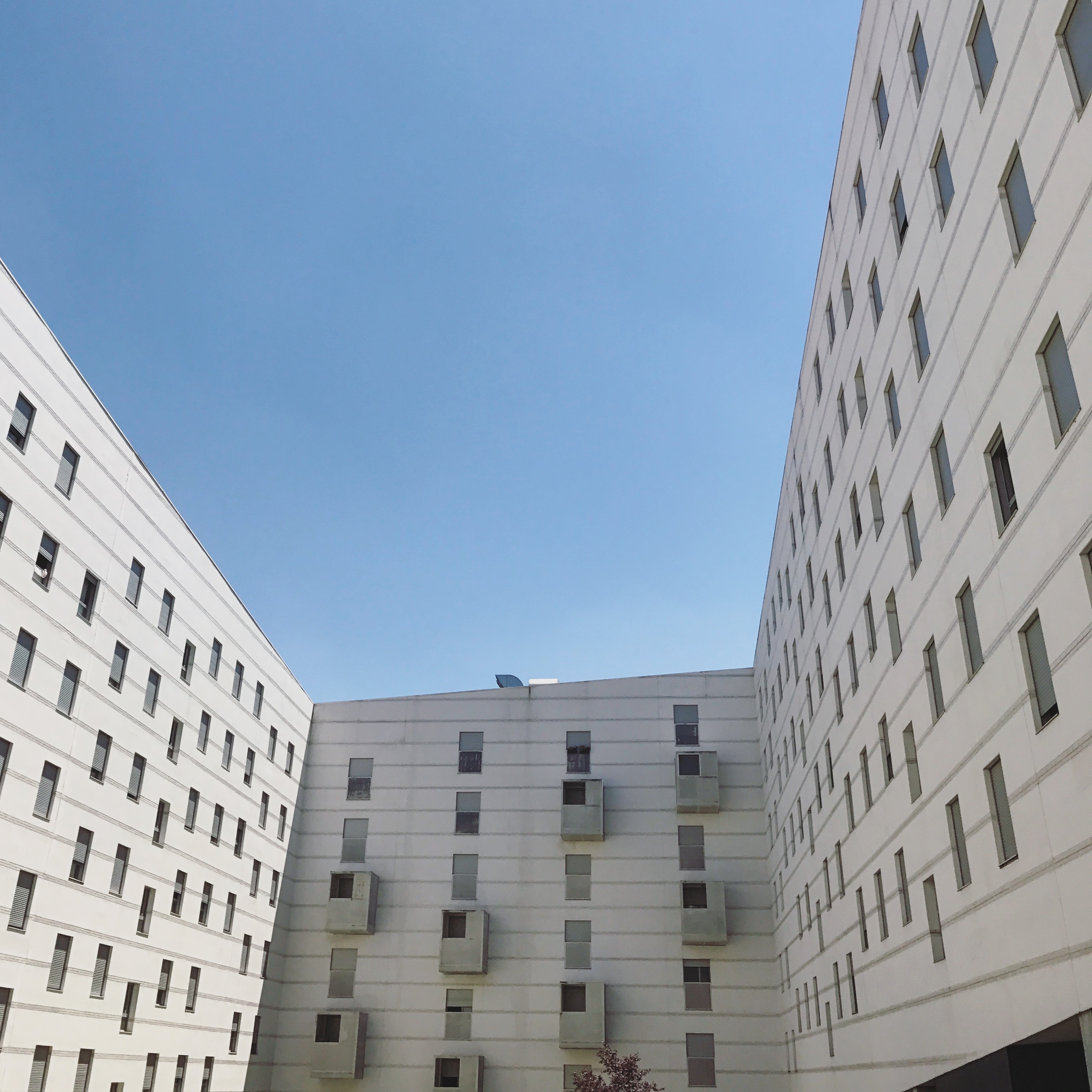
Coco Arquitectos’ 168 residences all centered around an enormous courtyard. A secure, safe, garden for the residence. Each dwelling is fitted with a cantilevered outdoor room functioning as: hanging garden, play space, dining area
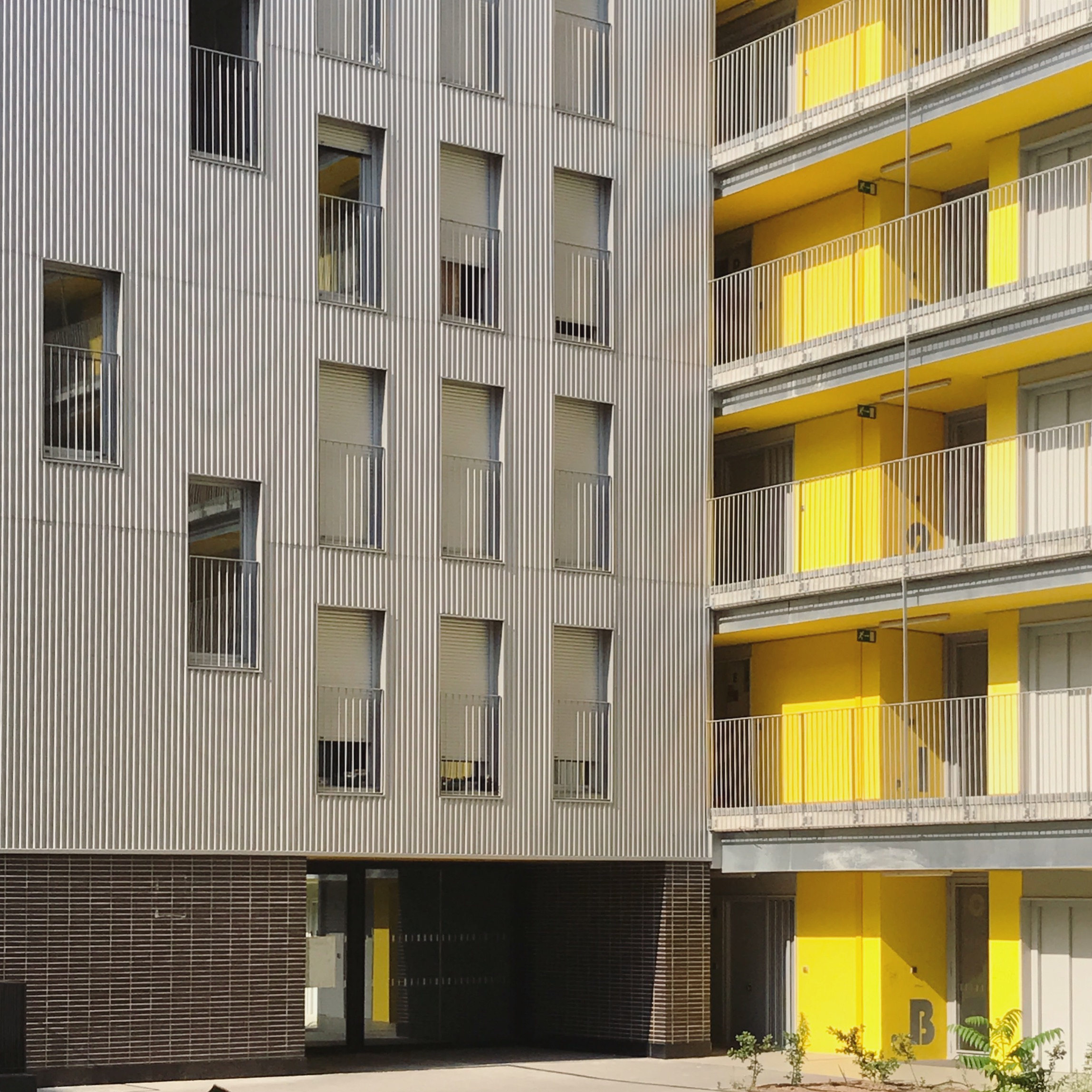
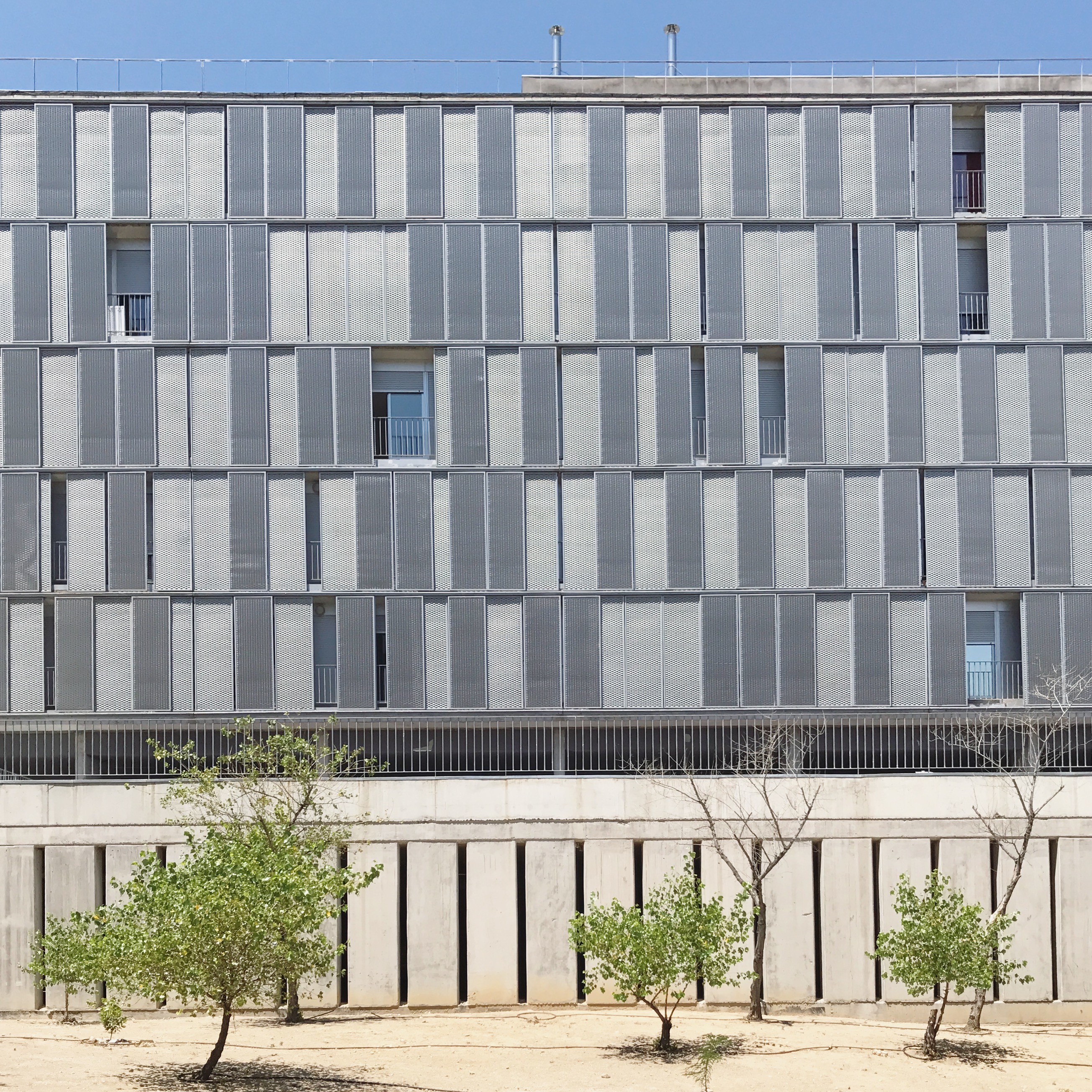
Colour and operability by Temperaturas Extremas Arquitectos.
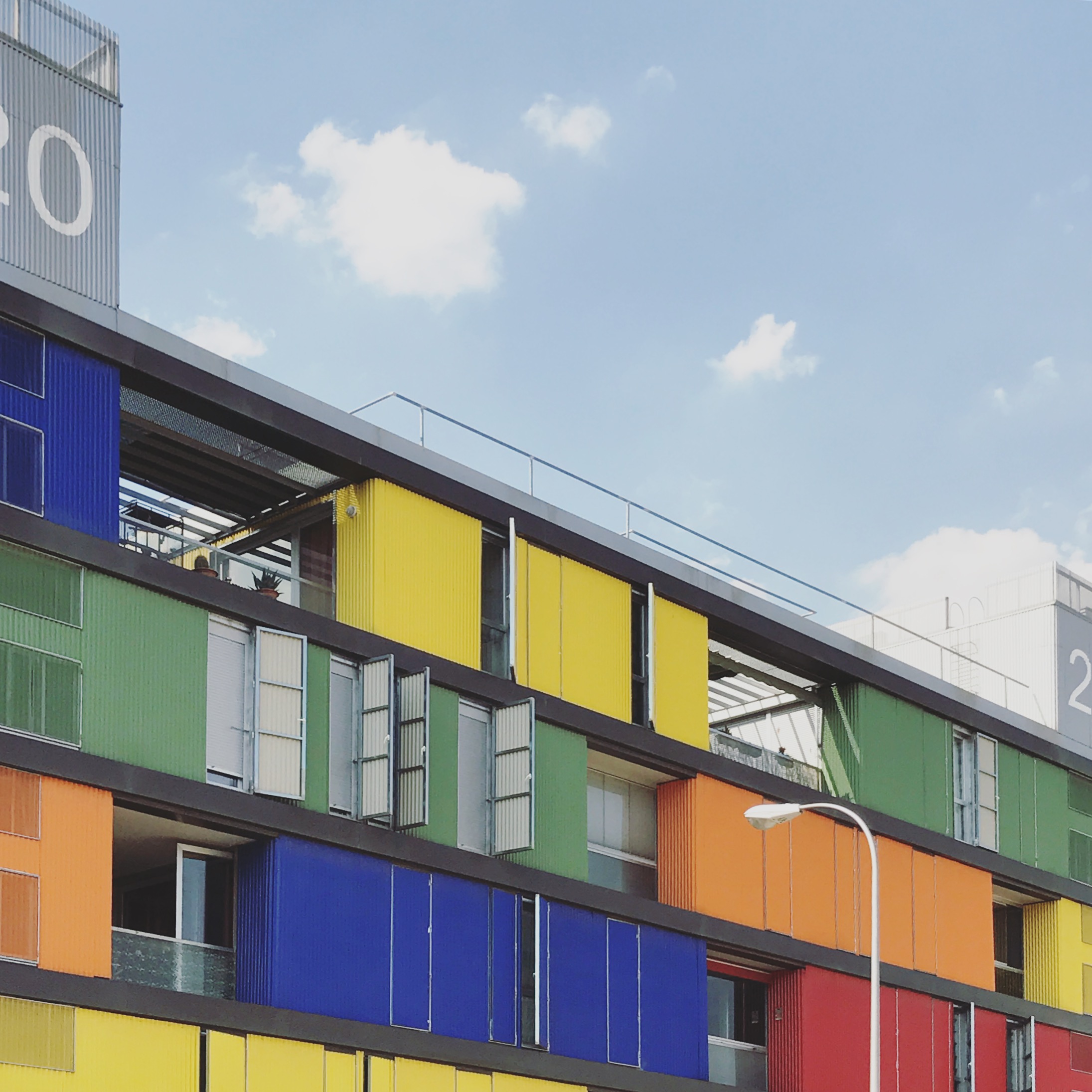
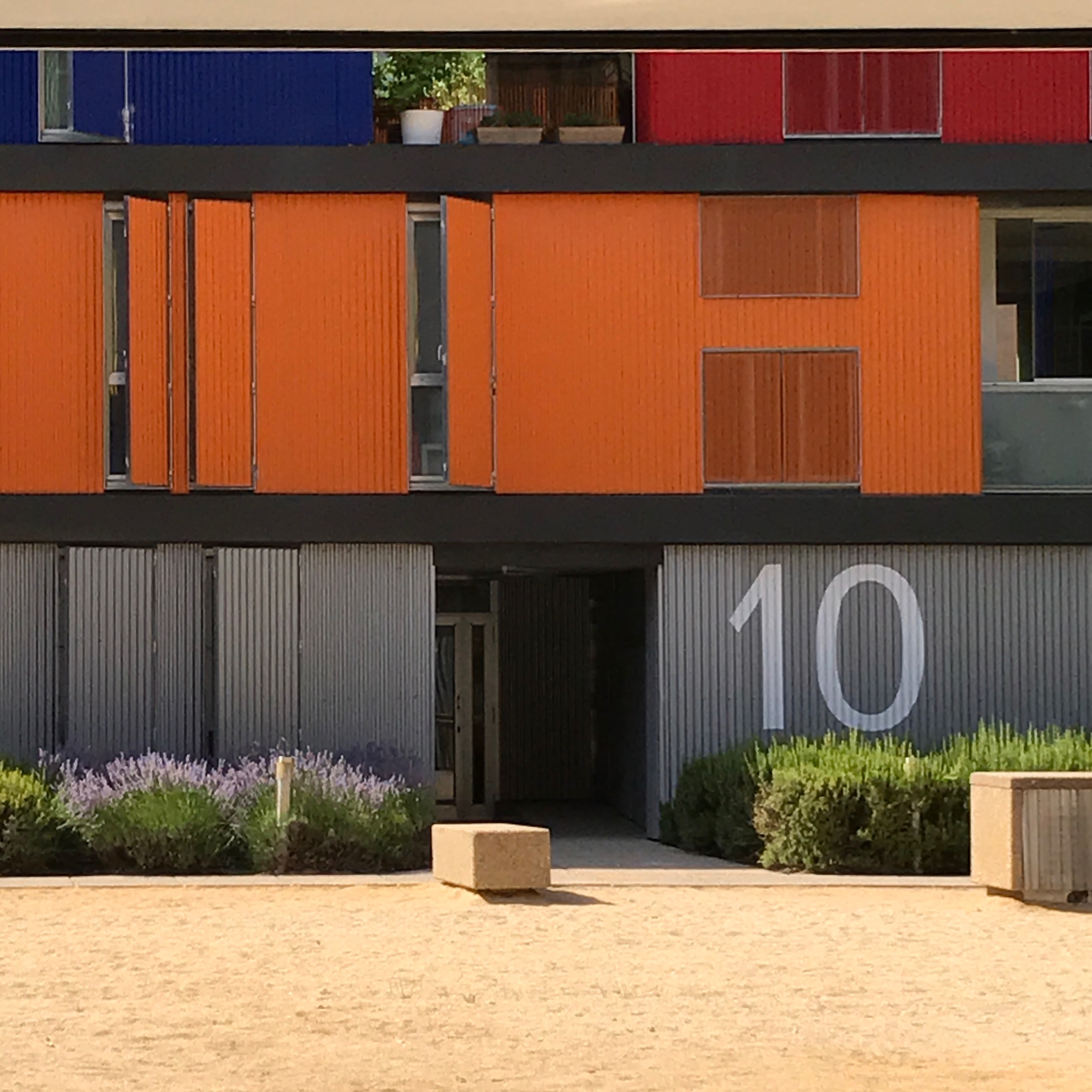
81 dwellings commissioned by EMV (Empresa Municipal de Viviendas). Cross ventilation, solar control, shared spaces, common areas, gardens, single loaded corridors and outdoor open spaces characterize this project.
operability allows the residents to shut their dwellings down during the heat and at night – for quiet, or open up for ventilation and light.
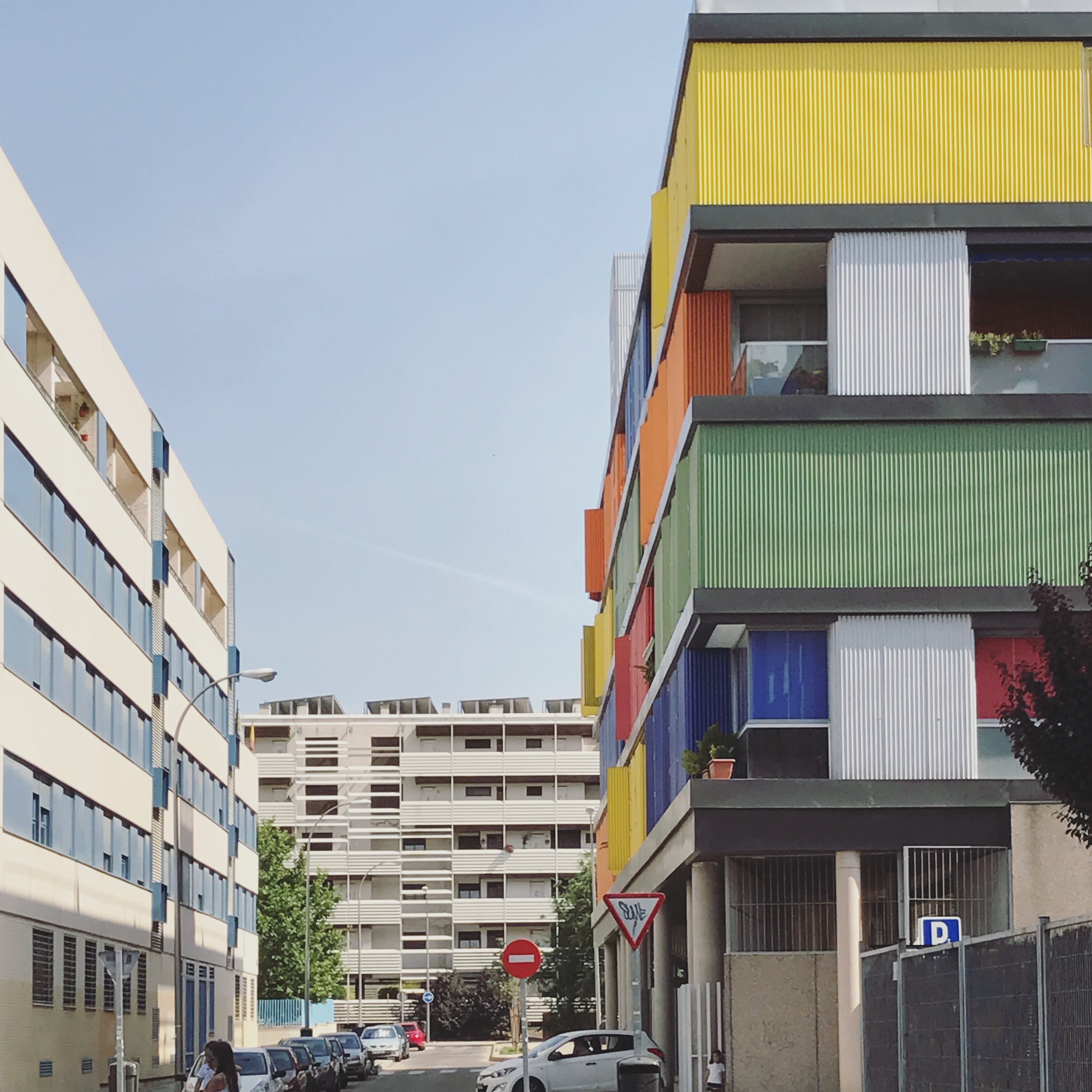
The dramatic colour of this project allows it to sit proud and visible in much of the monochromatic architecture. It appears almost as a series of stacked shipping containers. However its modulation and modularity do actually talk to the efficiency and ‘stackability’ of this project.
Viviendas Sociales en Carabanchel – Foreign Office Architects, Alejandro Zaera Polo.
Carabanchel, Madrid 2007
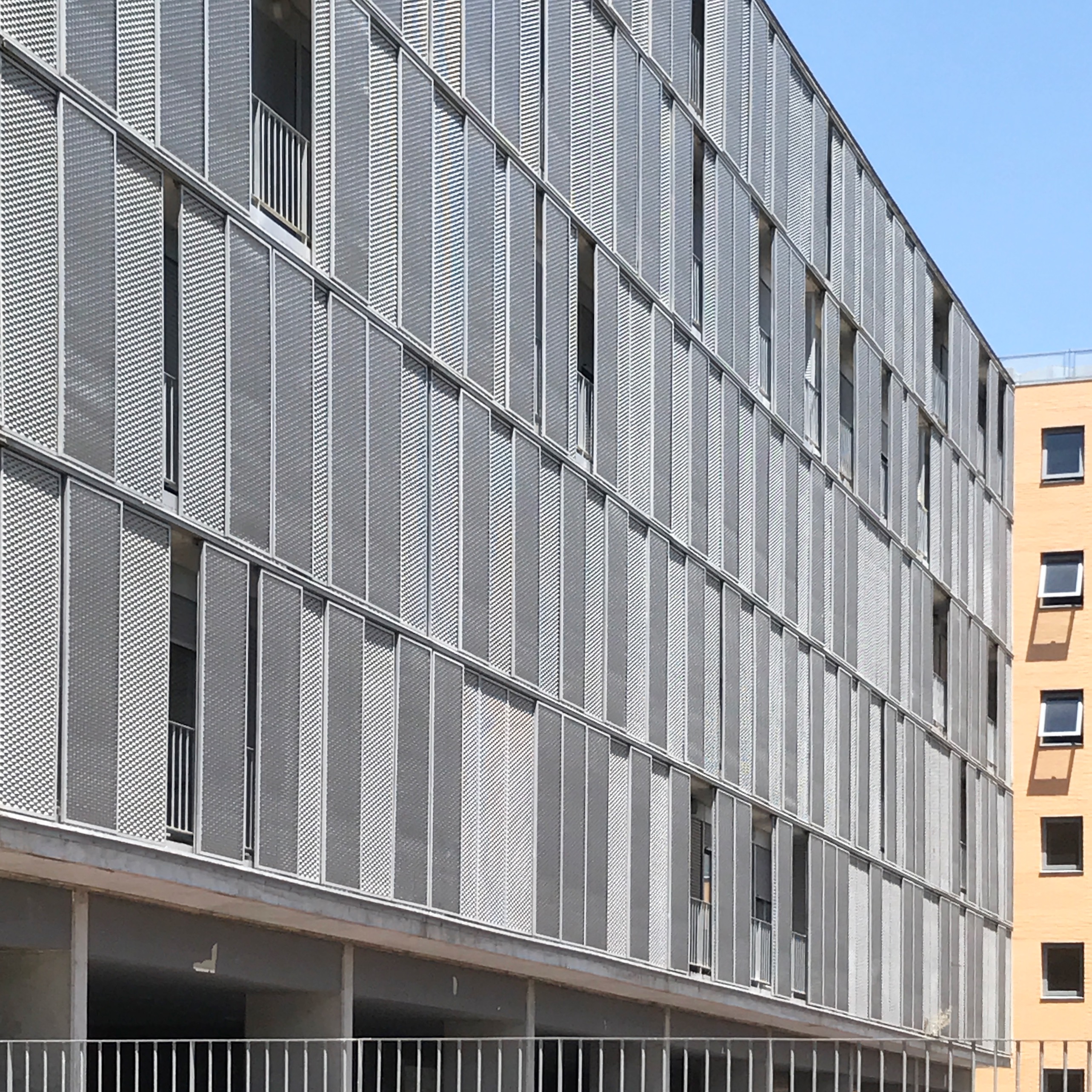
Entirely clad in bamboo shutters, this collection of homes is highly adapted to its environment. The shutters provide both solar control, visual control, and climatic control with the shutters controlling wind and rain on inclement days too.
Made of natural and organic materials the building lowers its embodied energy through the use of minimally processed materials, but also provides residents the biophilic benefits of visually connecting with organic rather than synthetic materials.
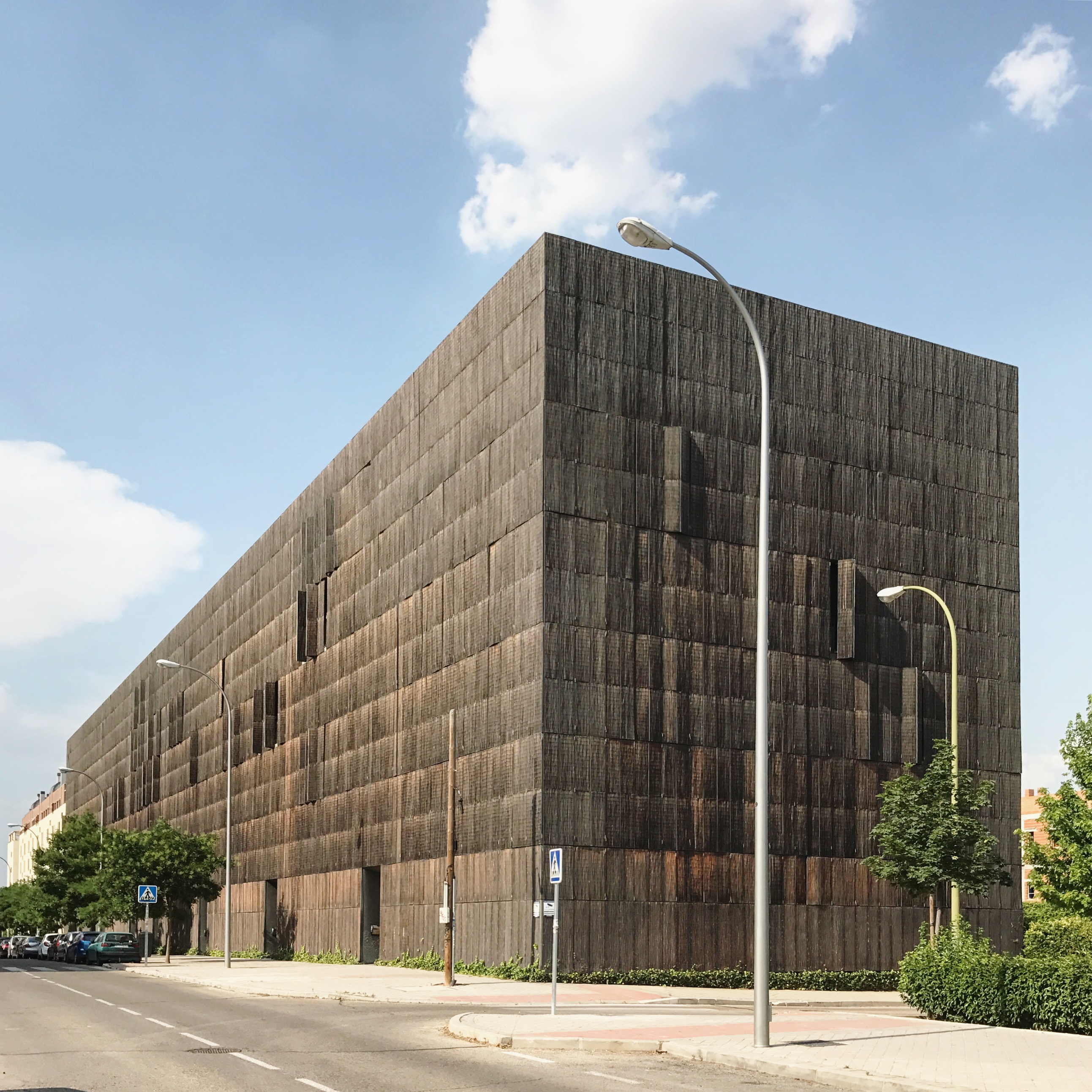
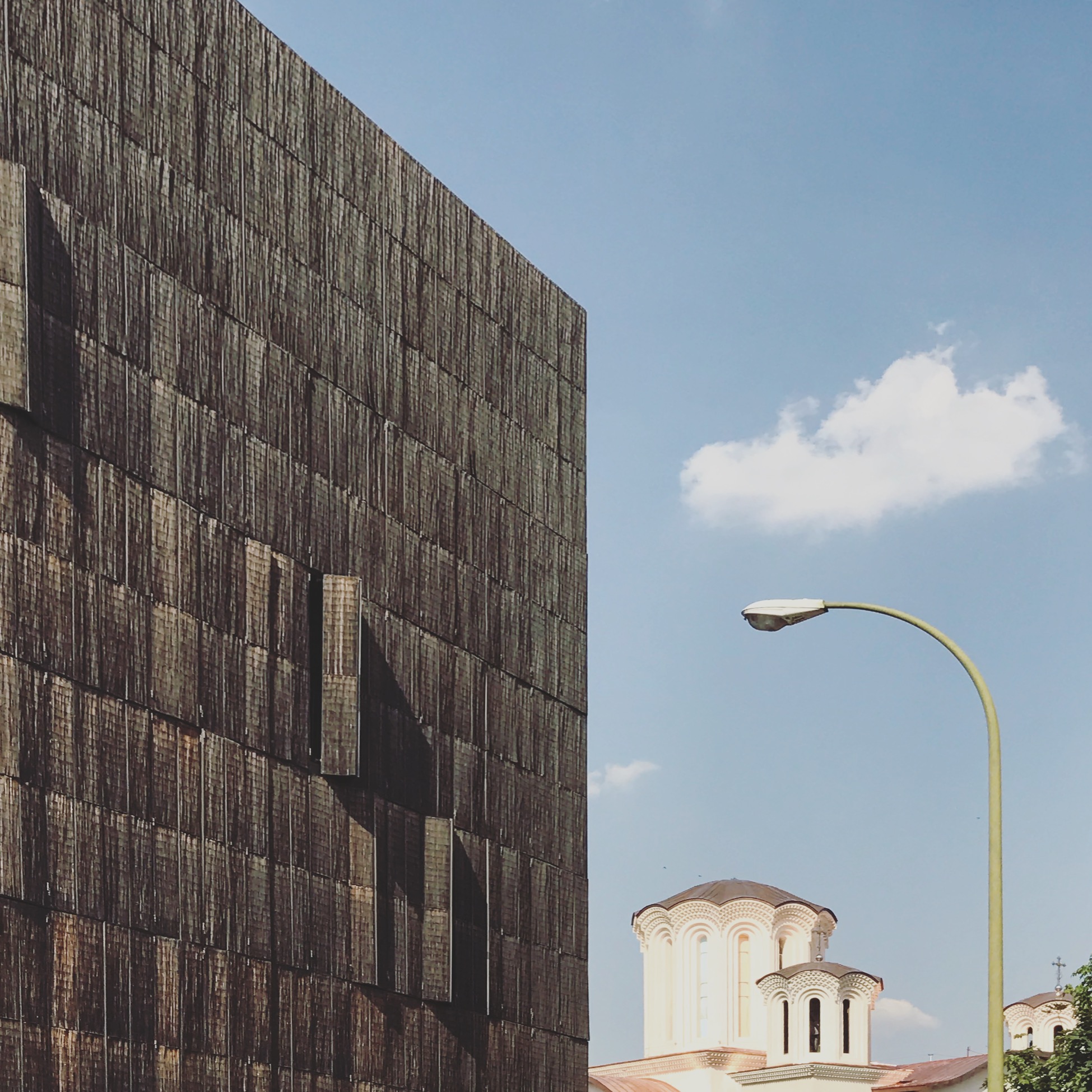
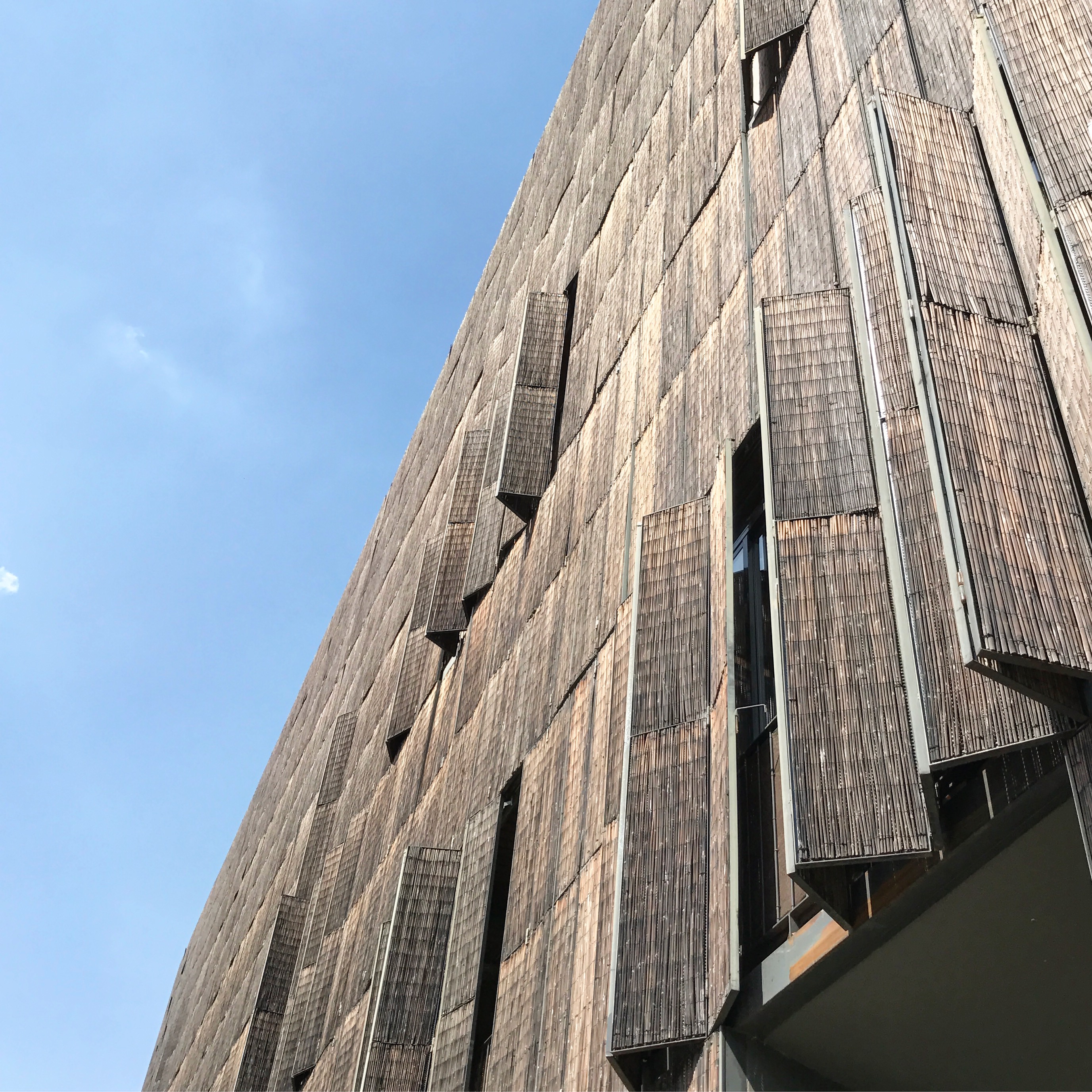
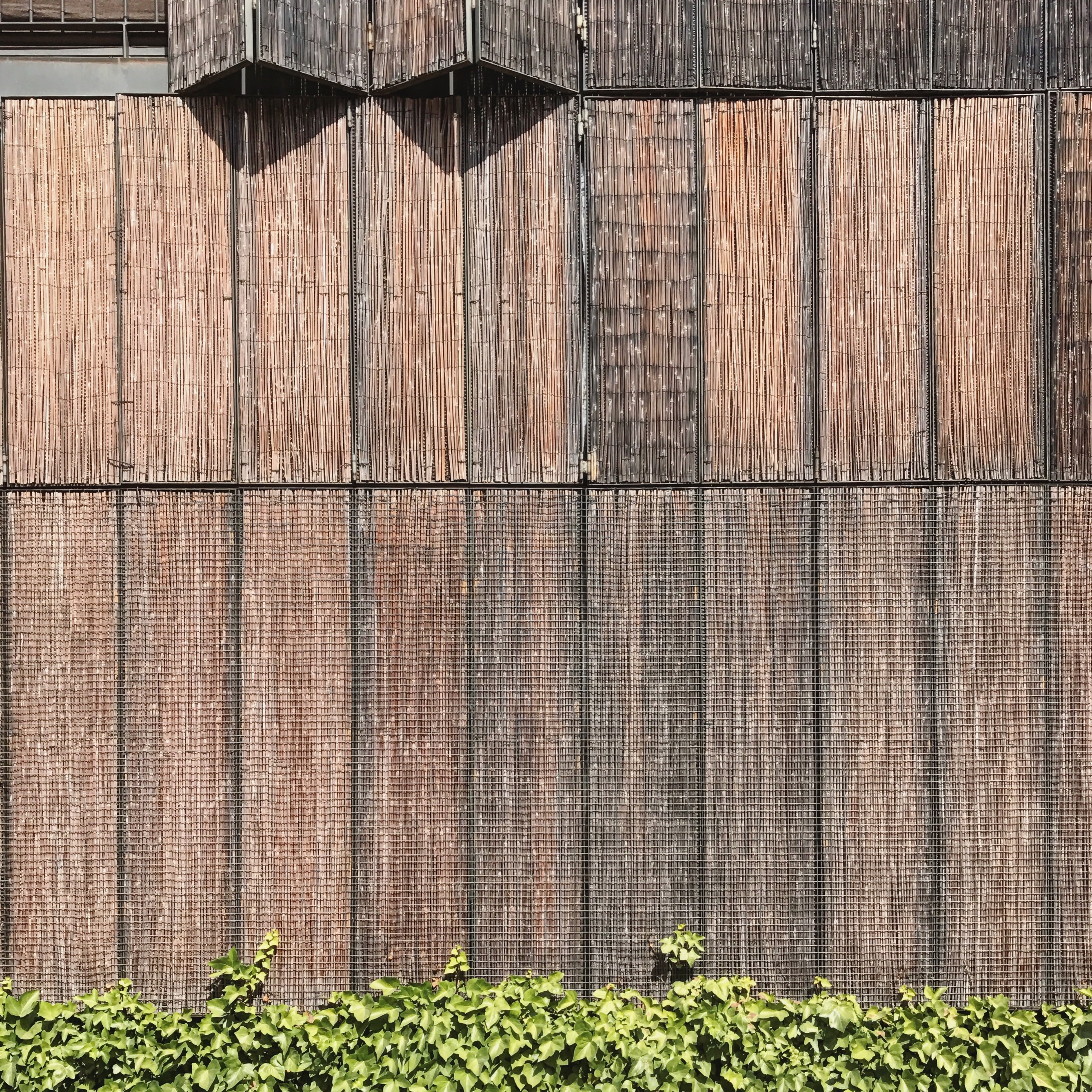
122 Viviendas de Alquiler – Monica Alberola Peiro, and Consuelo Martorell Aroca
Carabanchel, Madrid 2004
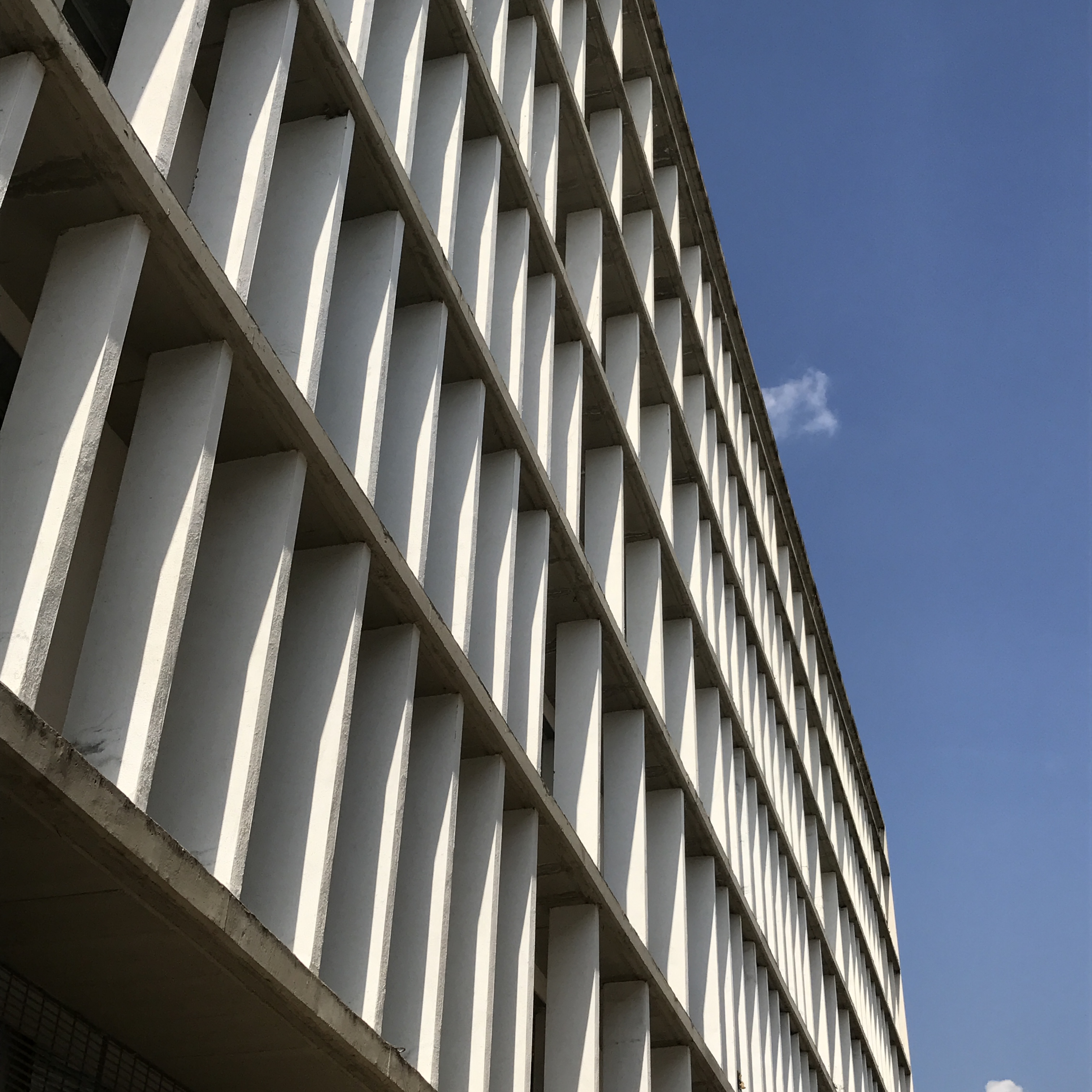
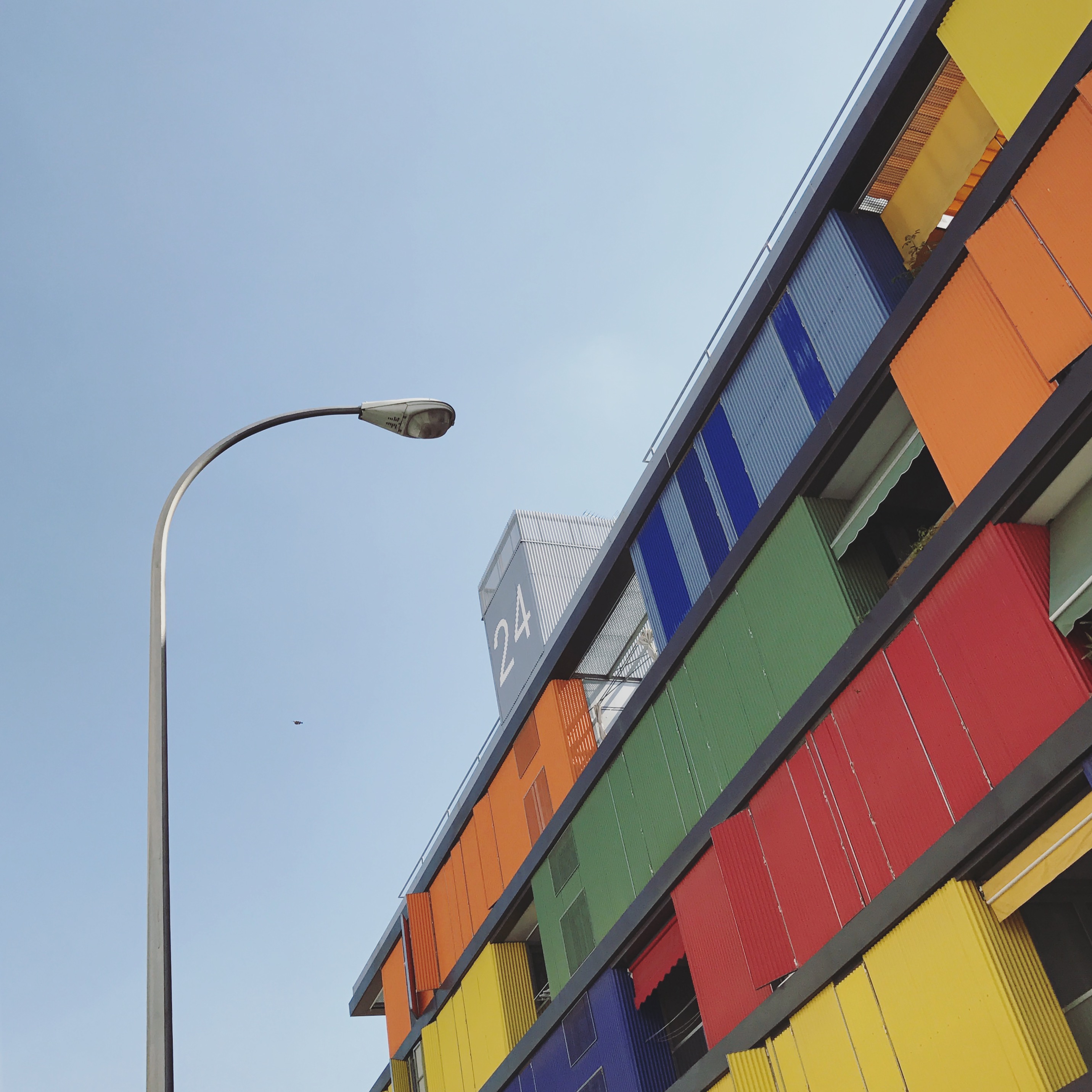
Carabanchel 24 Viviendas de Proteccion Oficial (VPP), Rafael Canizares Torquemada.
Inspired by the words of painter Paul Klee, this building brings absolute vibrancy to its setting, and its occupants.
Consisting of only 18 dwellings, this project is a colourful and vibrant reminder of the vast demographic and cultural variance living within the same building and context.
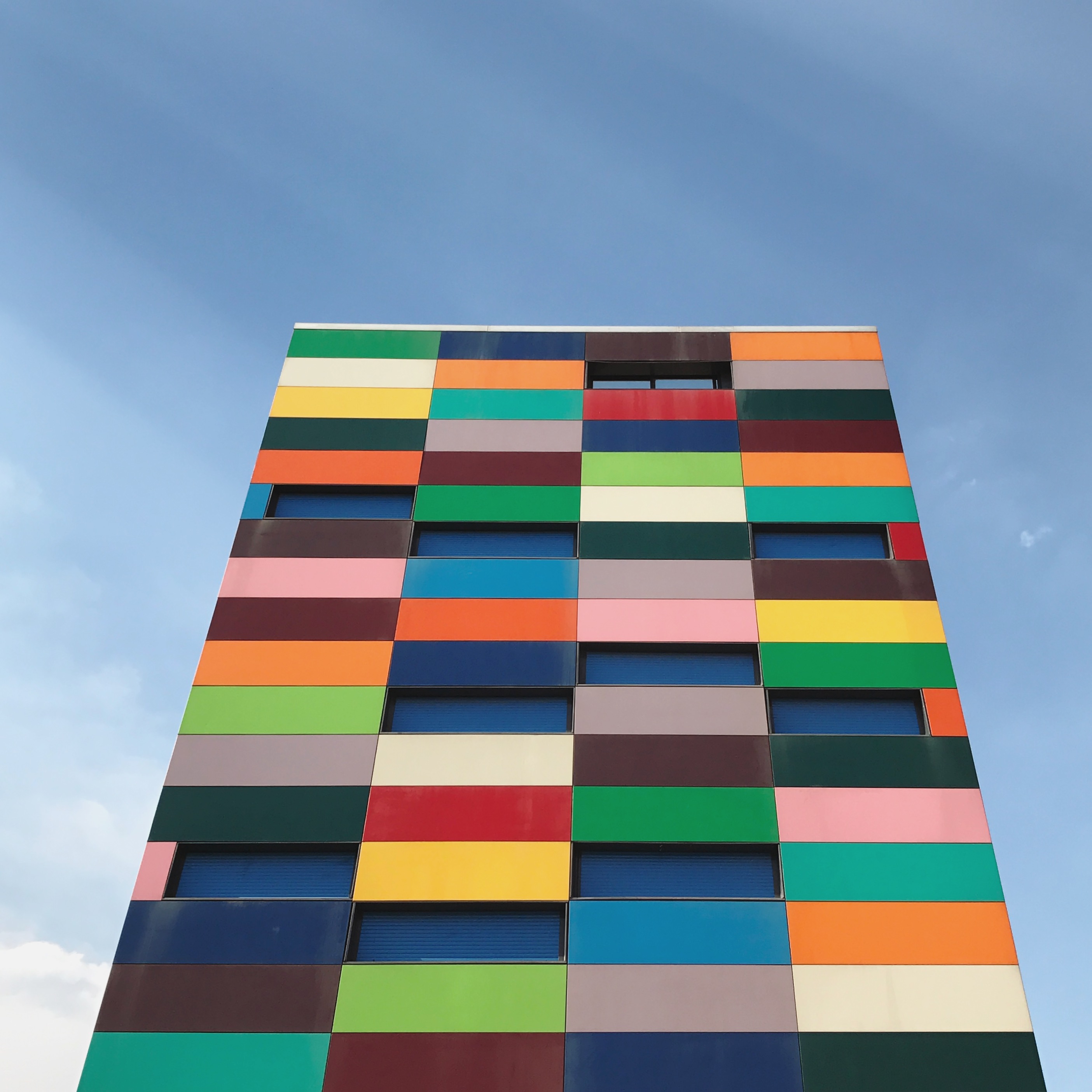
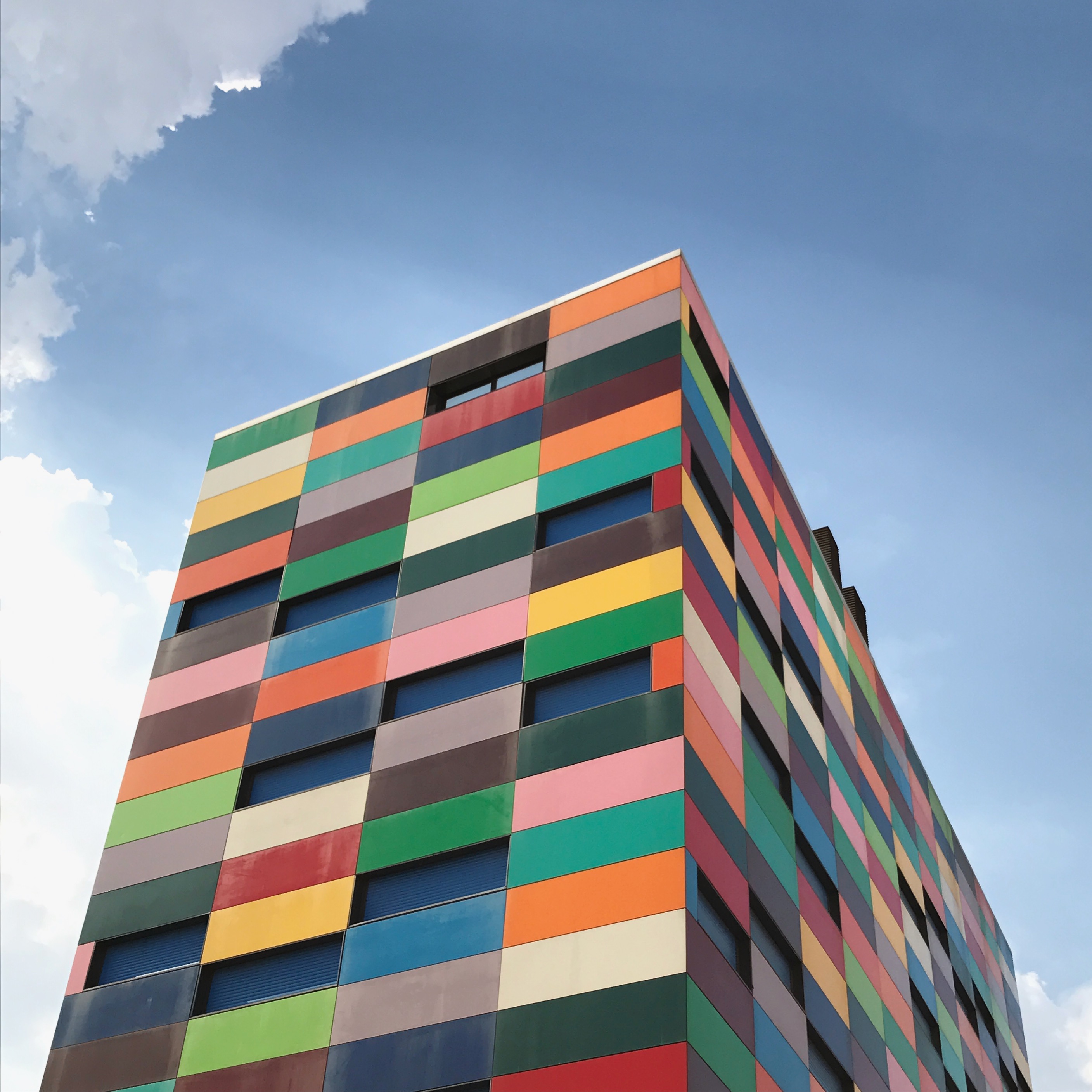
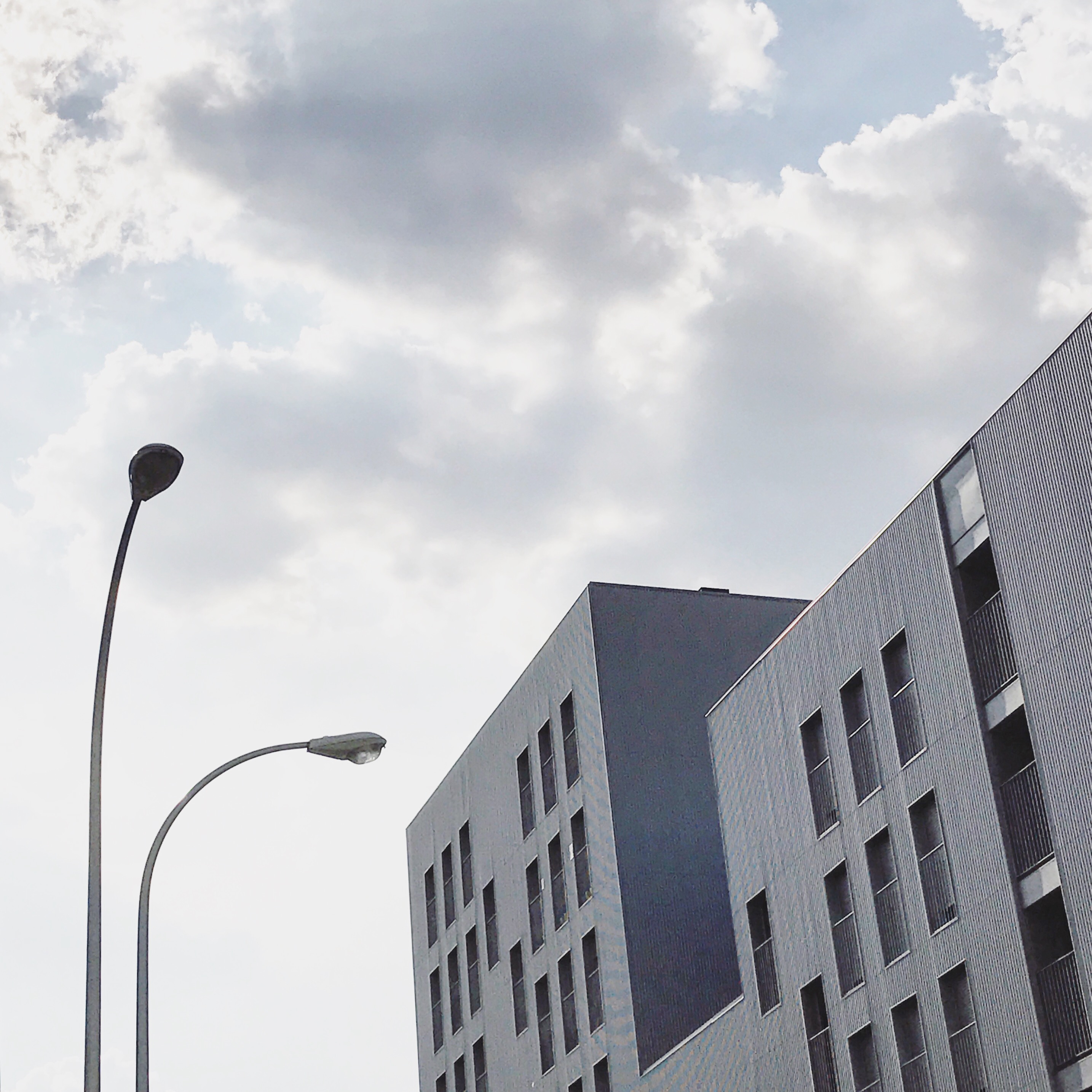
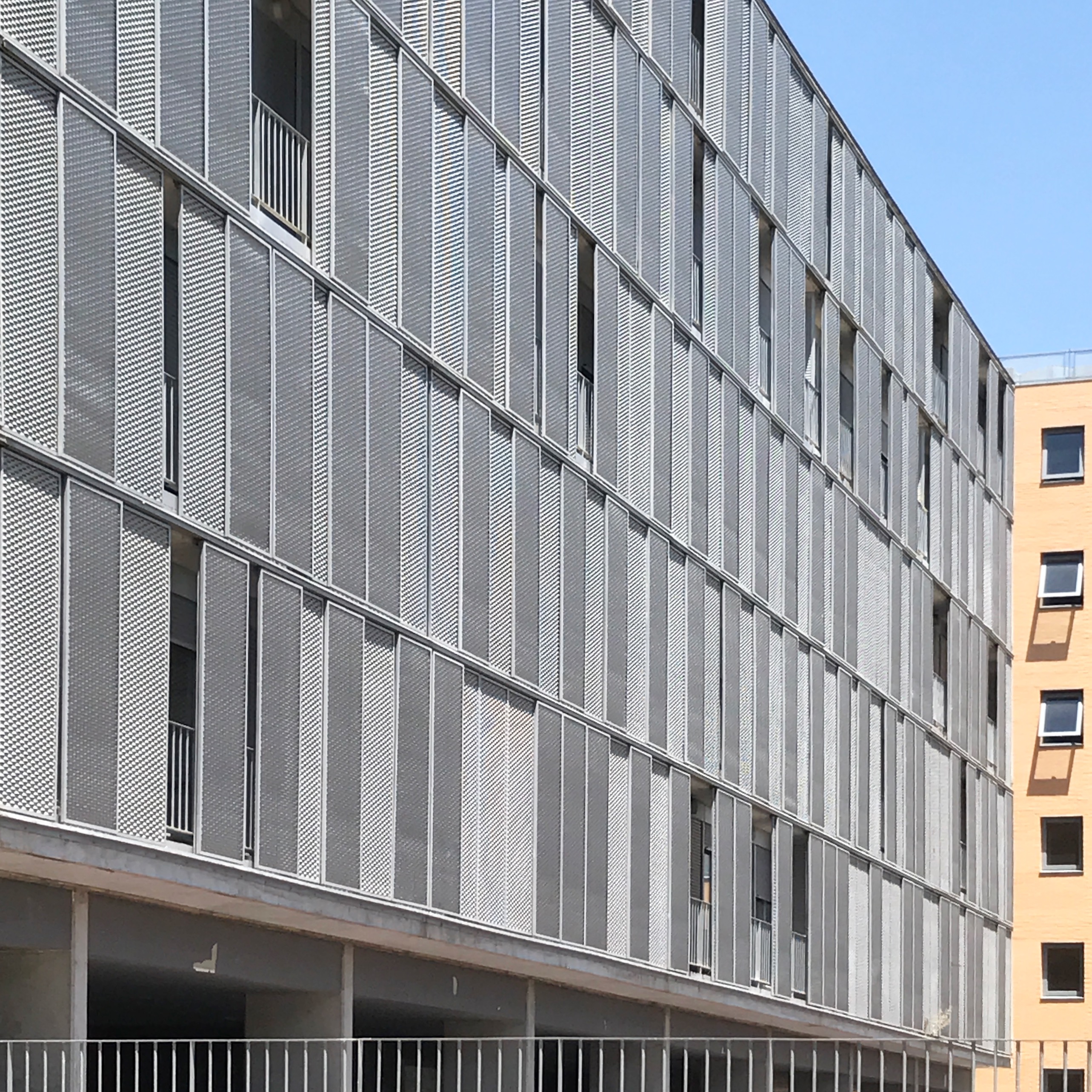
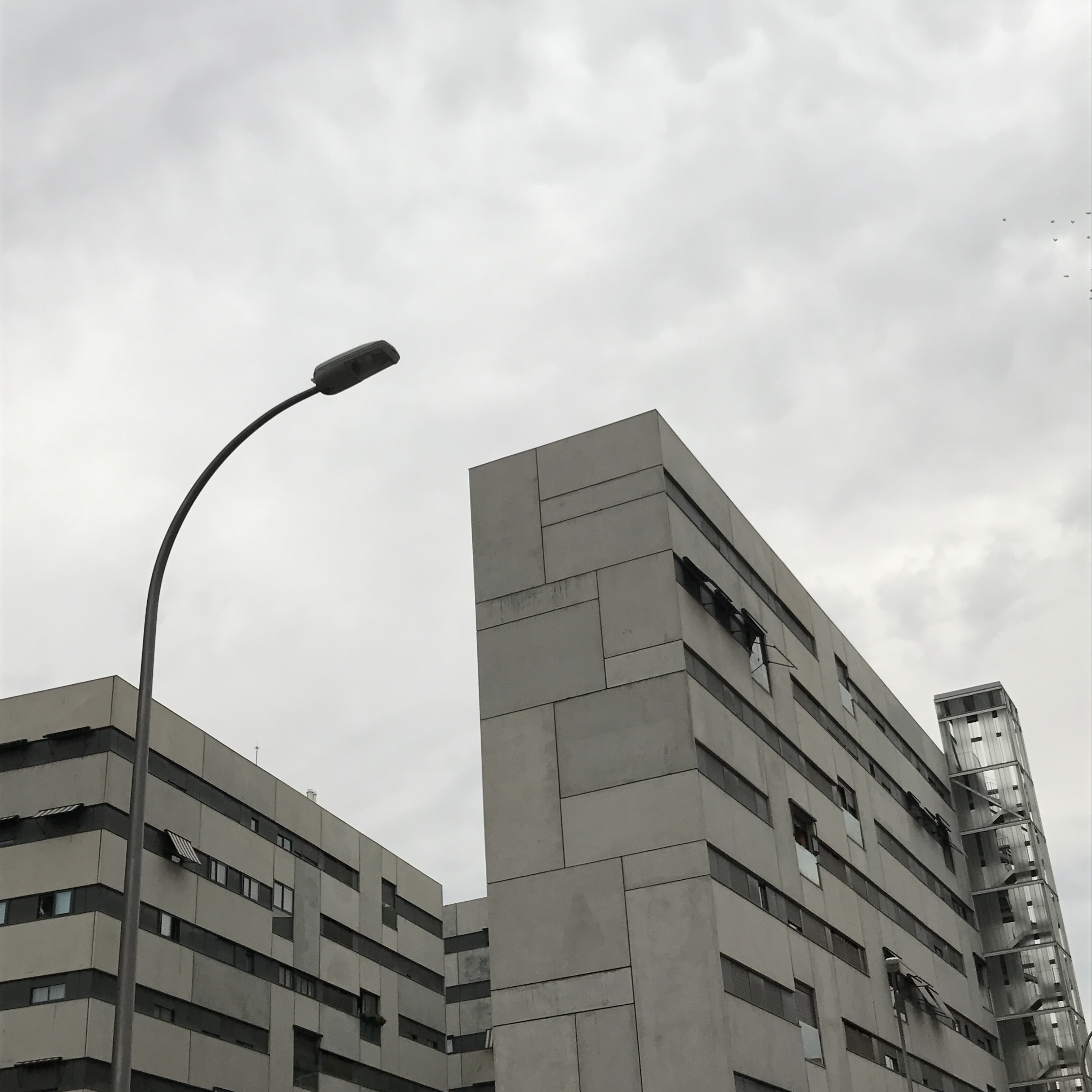
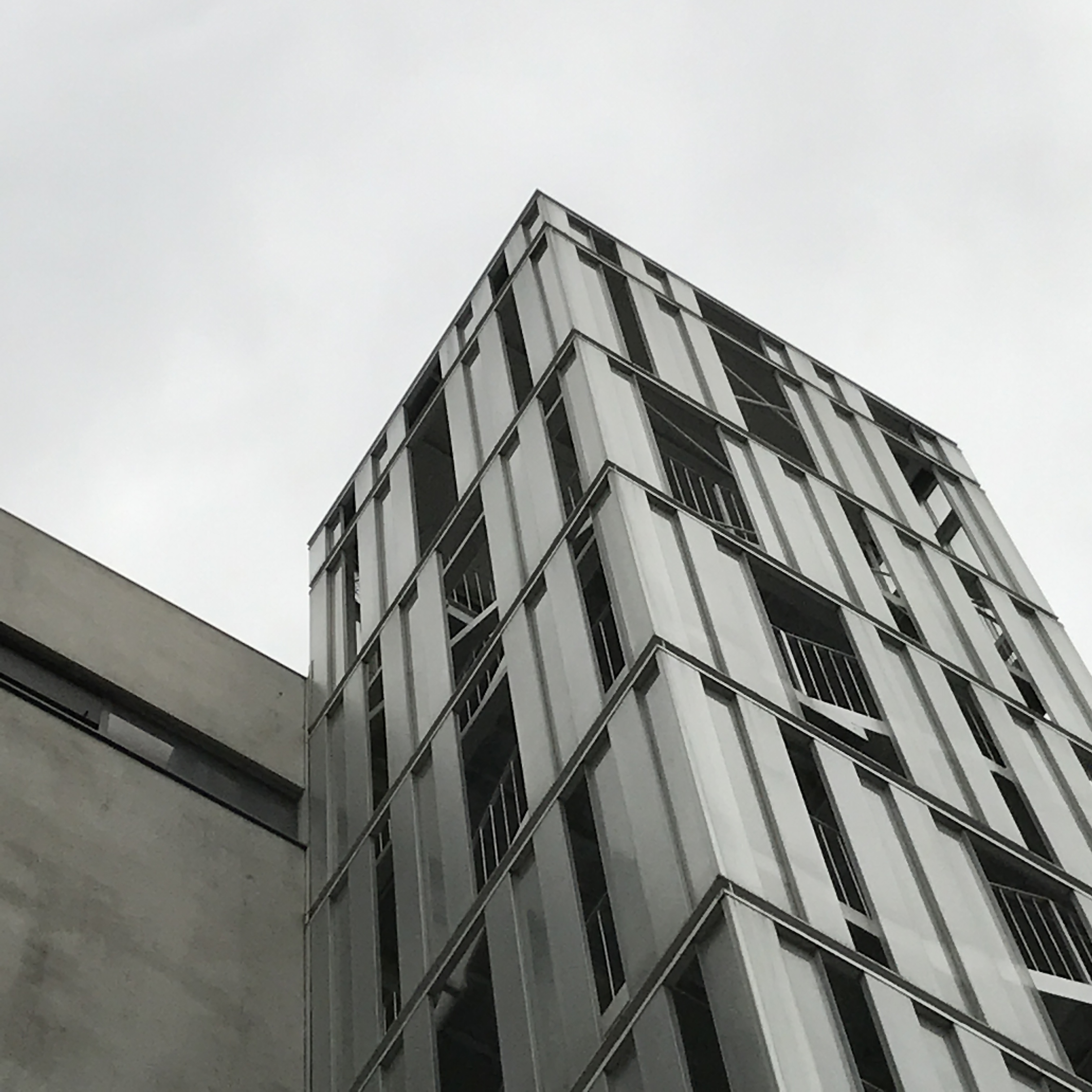
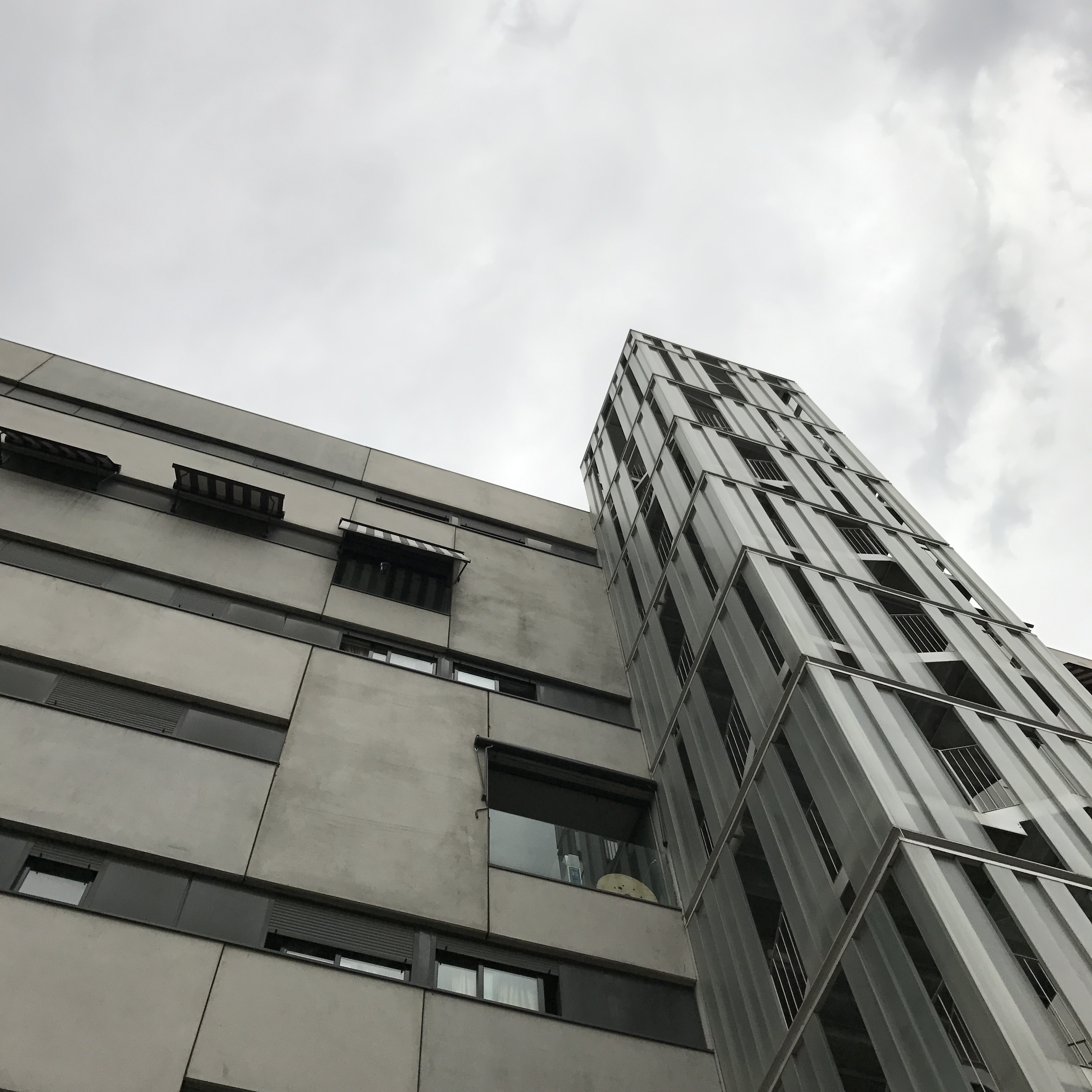
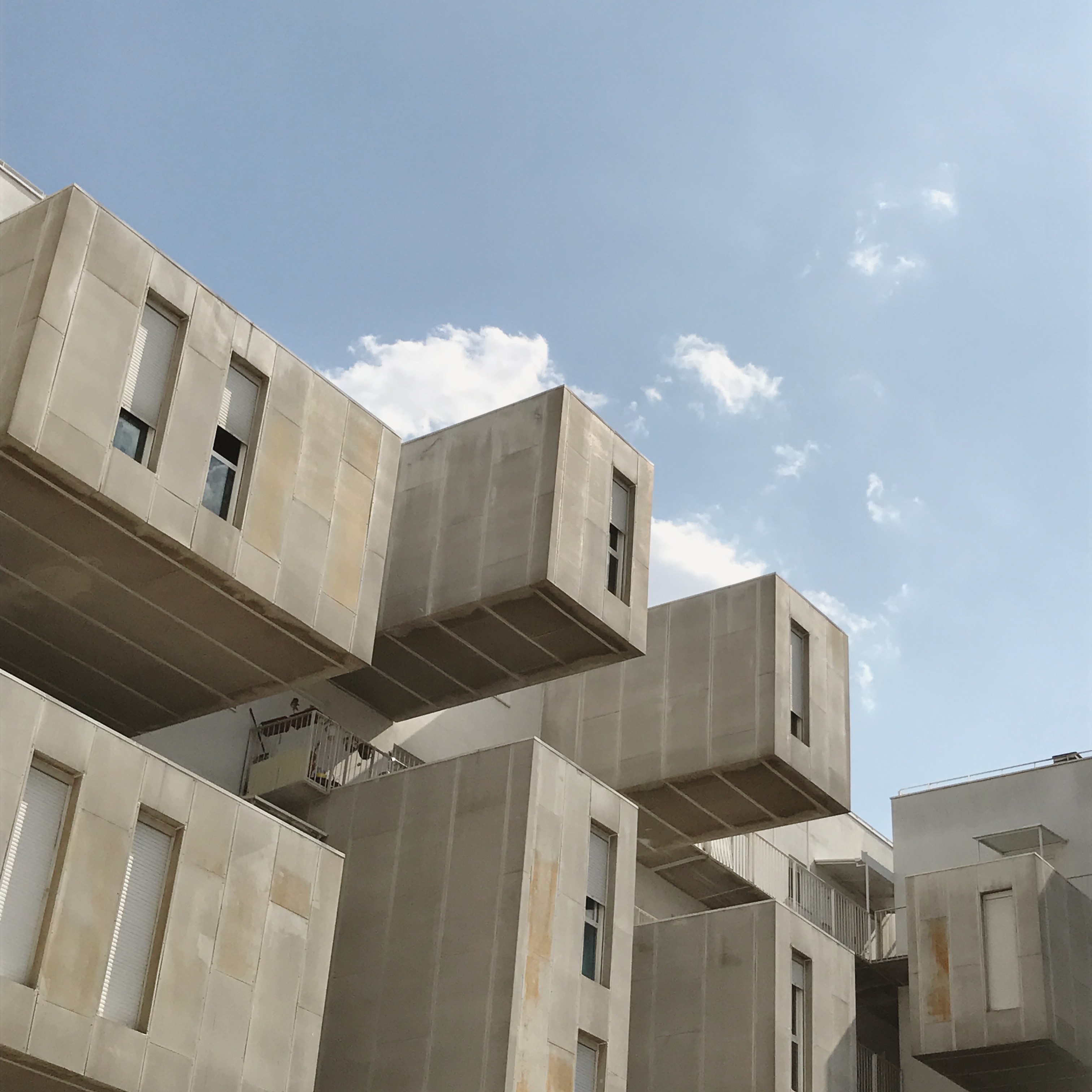
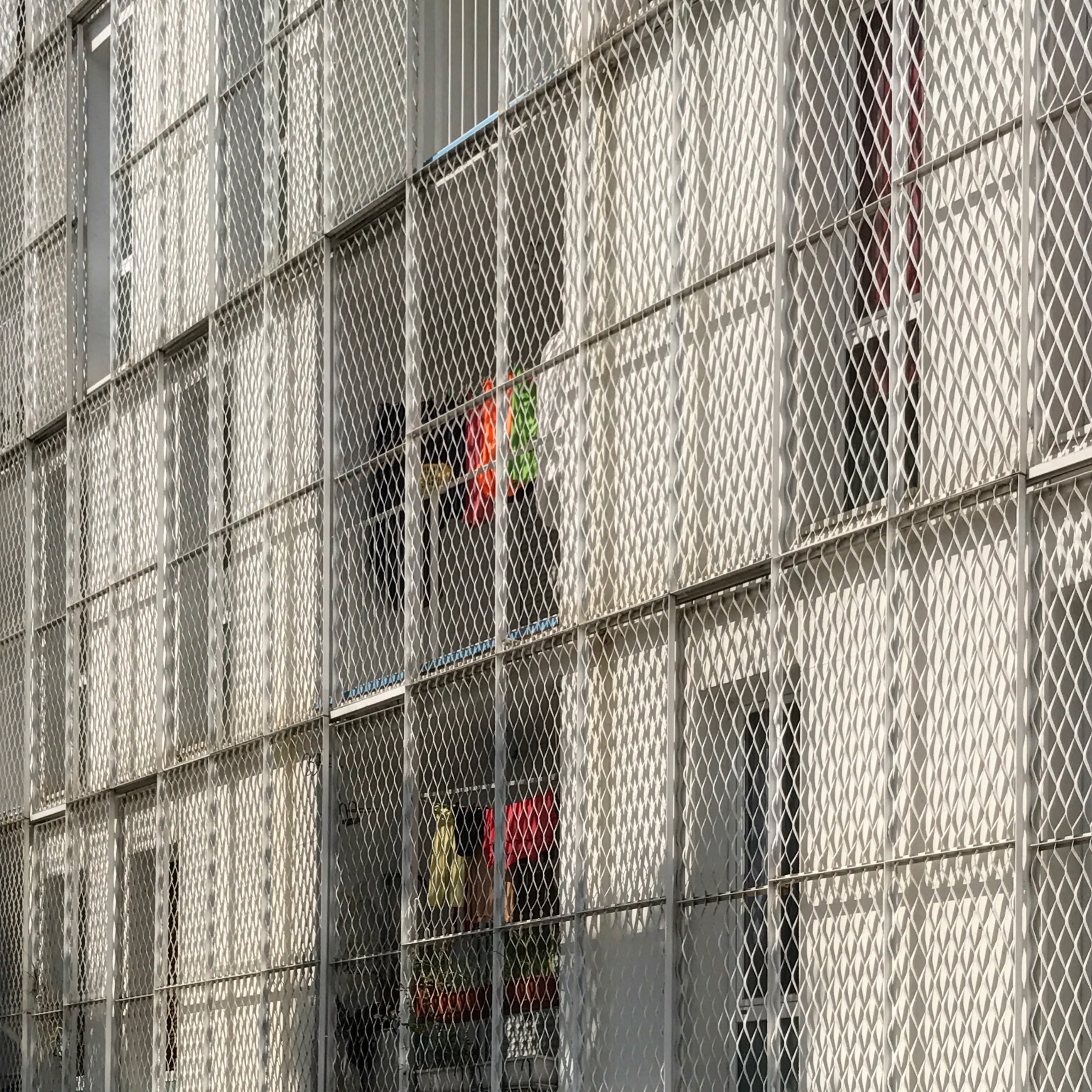
Edificio Celosia by MVRDV and Blanca Lleo.
Sanchinarro, Madrid 2009.
Exercise in monolithic forms and carved out communal courtyards. Fully enclosed courtyard plan form. A number of the communal spaces carved out of the block are double height spaces creating a greater sense of openness and loftiness. Planting, gardens, play areas and drying spaces located in these double height areas.
Entire building natural concrete finish with retractable blue awnings. As in all residential buildings in Spain a retractable security screen also exists on all windows.
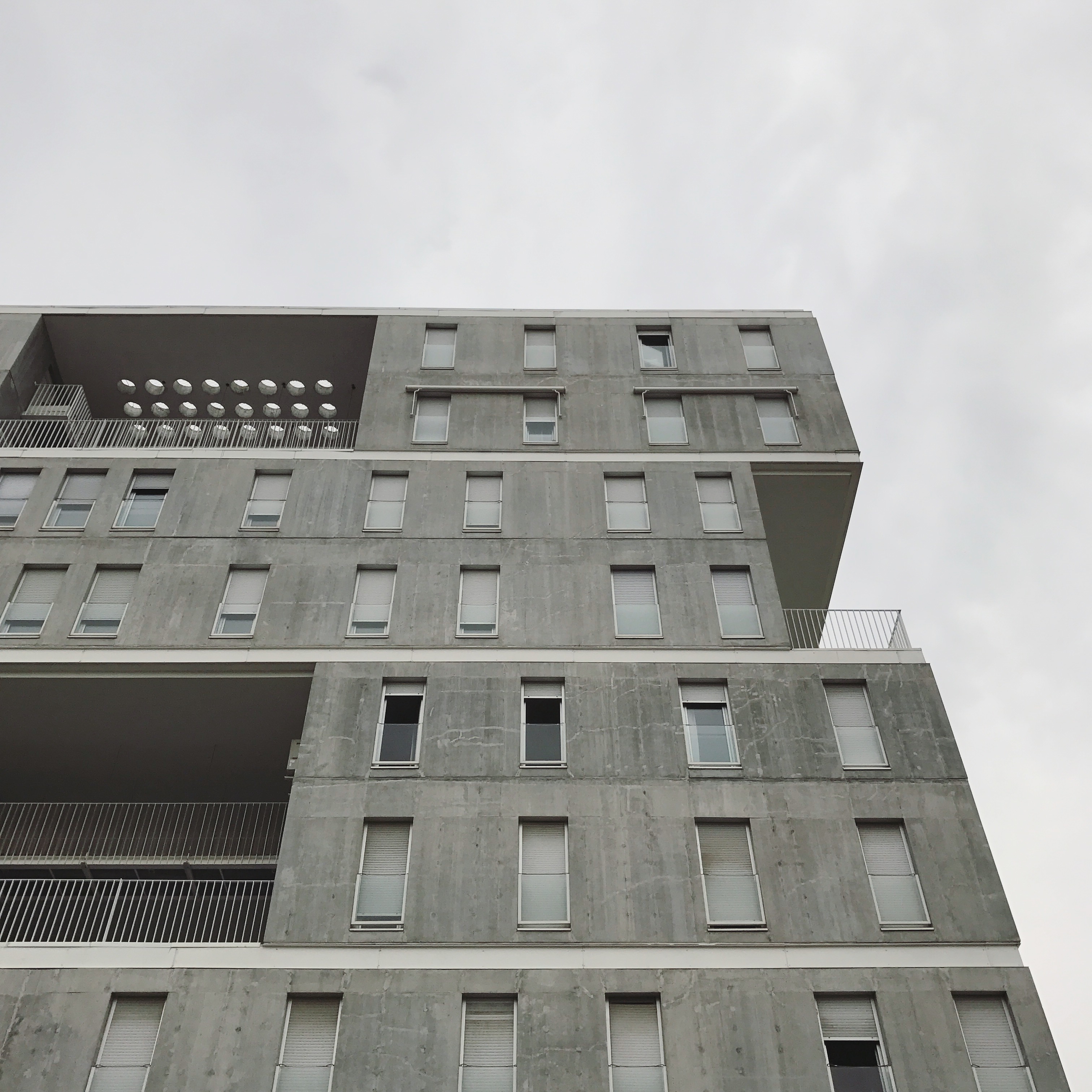
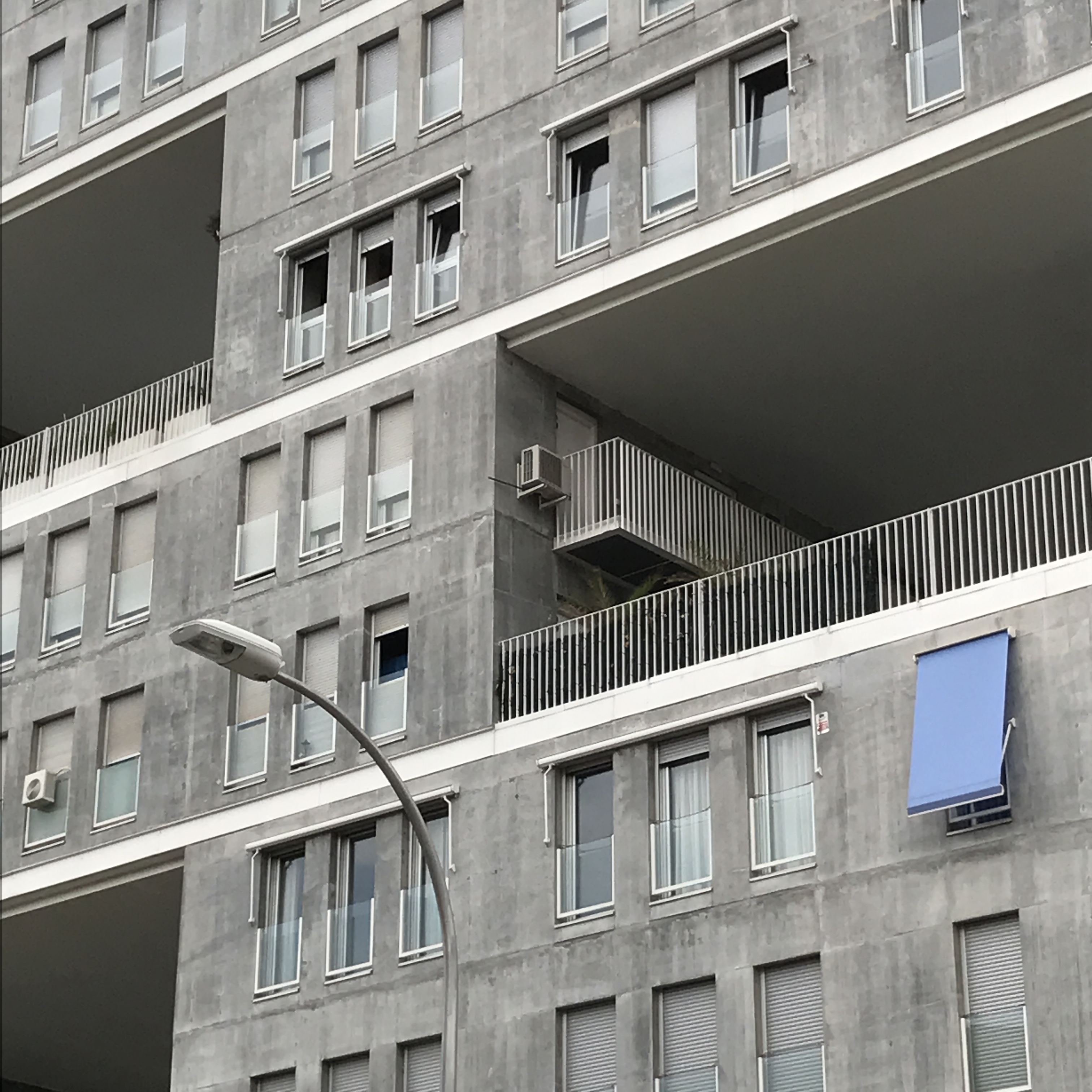
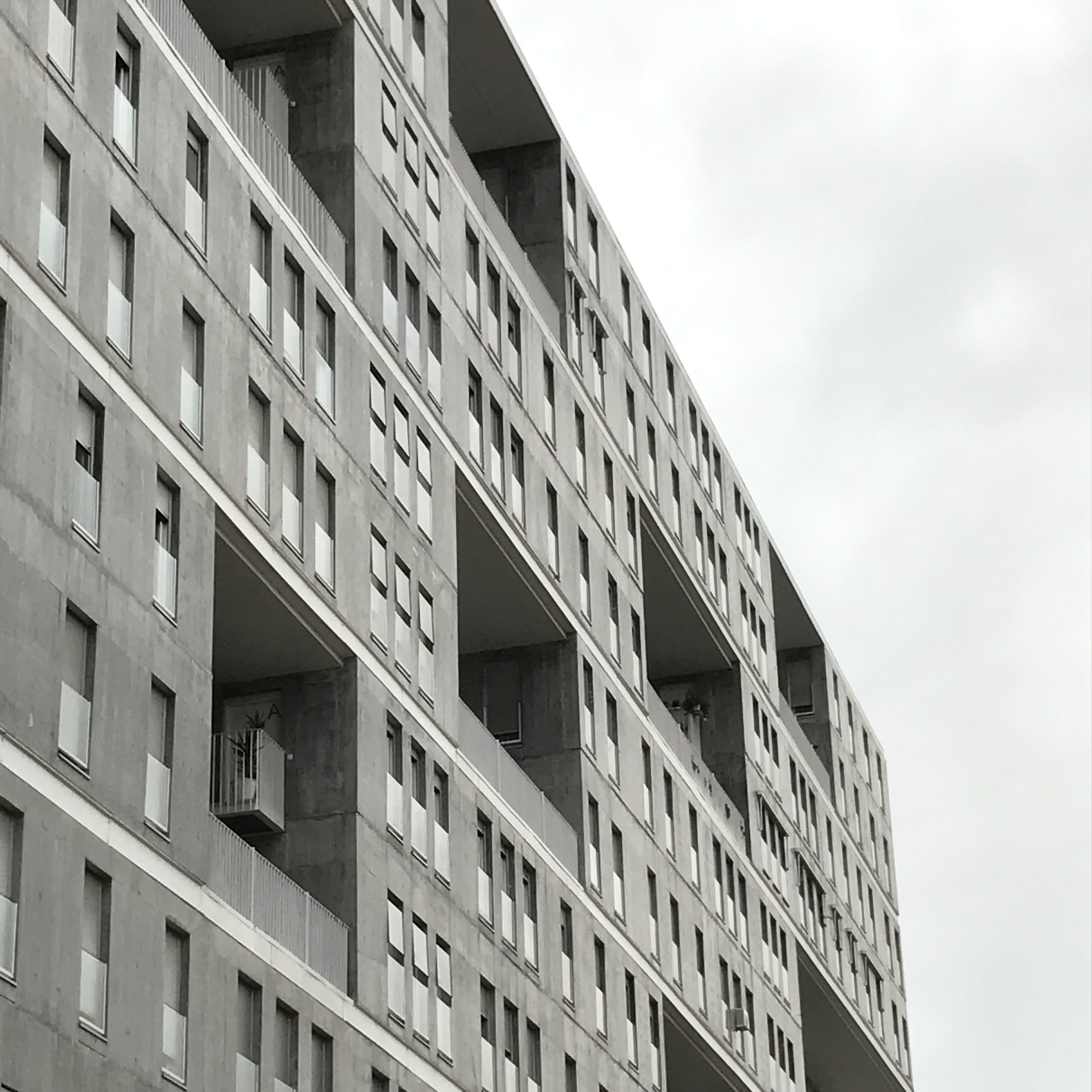
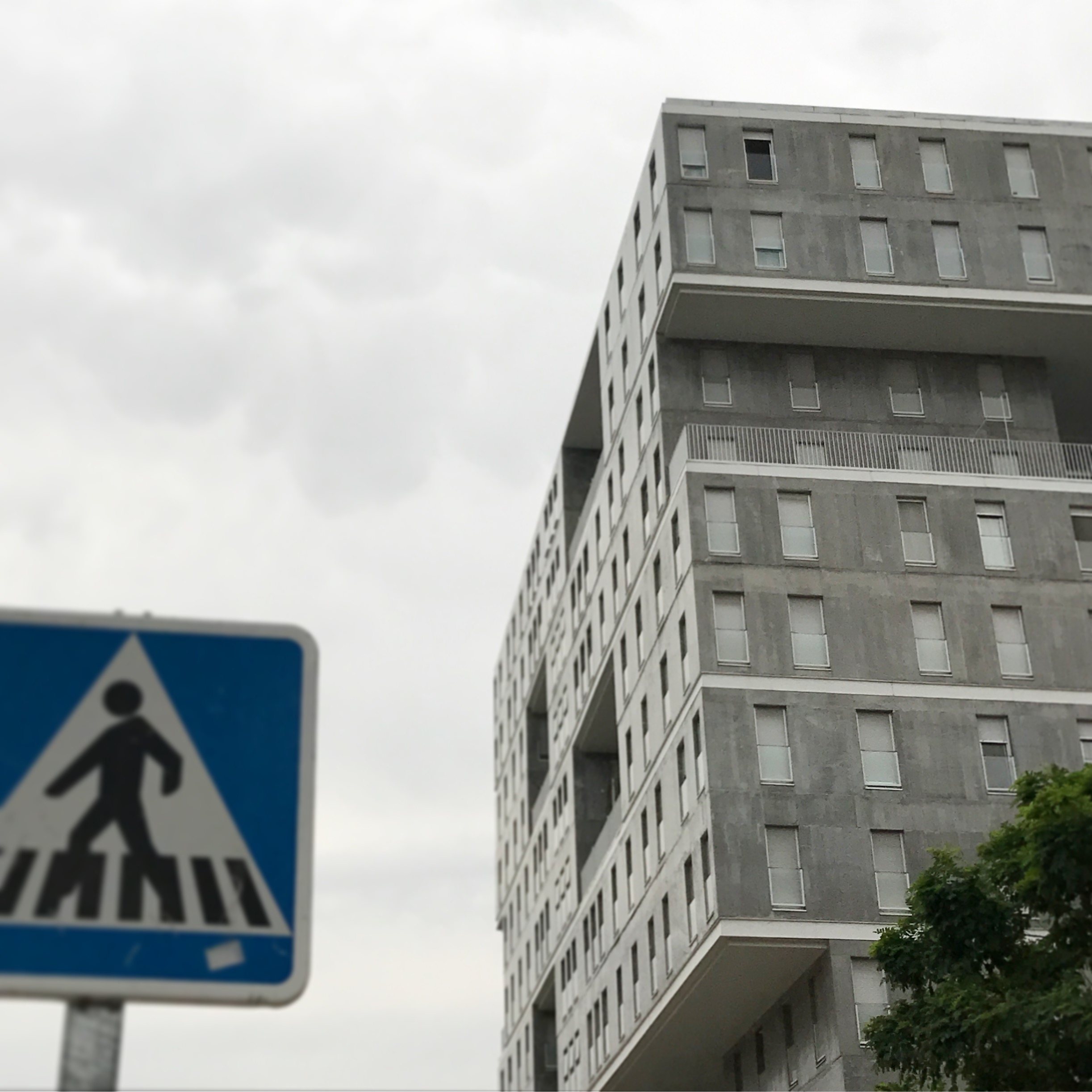
One of my favourite social housing projects in Spain – courtesy of MVRDV and Blanca Lleo.
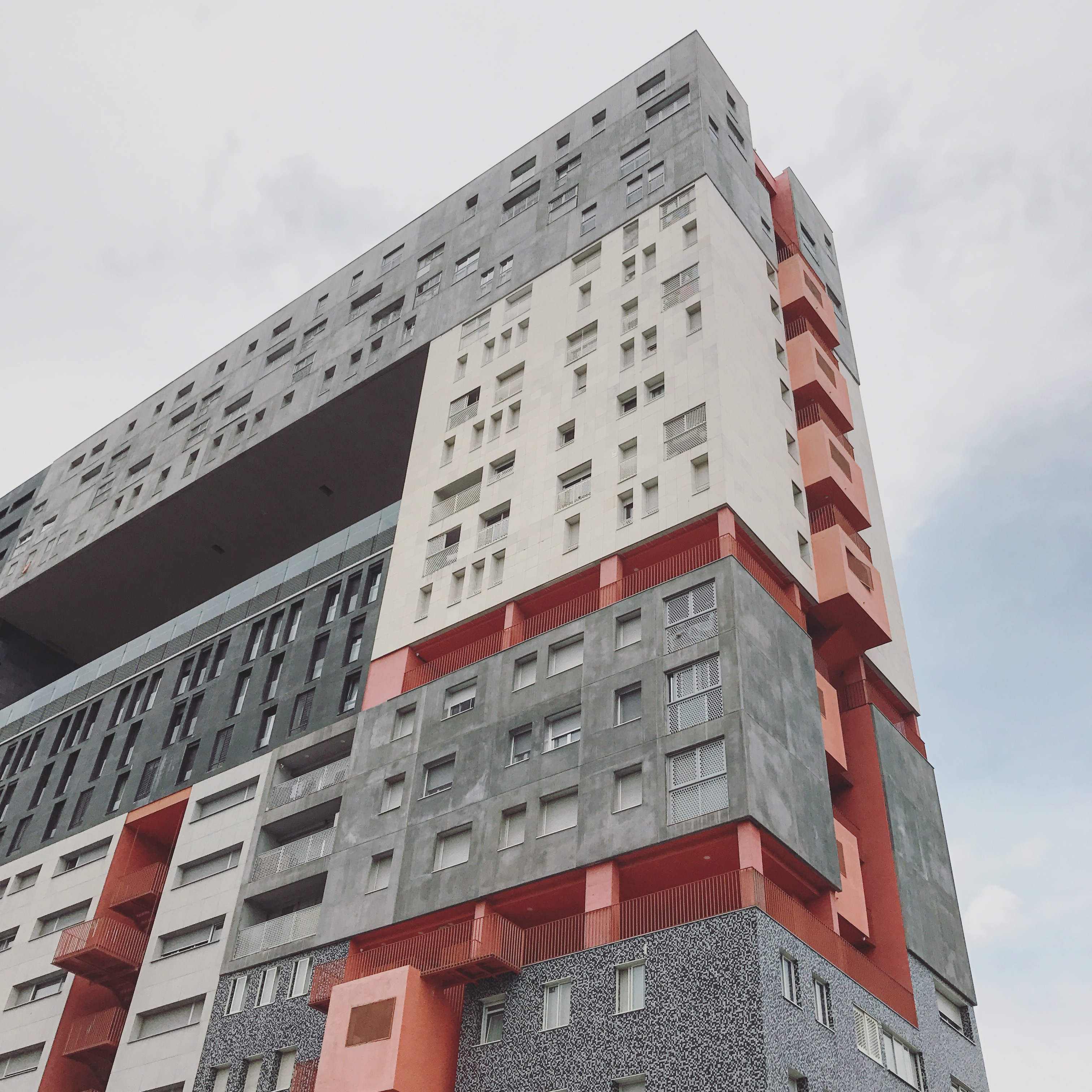
Arranged as a series of ‘stacked neighbourhoods’ these zones are defined by the slight changes of colour and texture. The traditional Spanish courtyard is turned (literally) on its side, thus creating a huge viewing deck, playground, garden and community space.
The ‘mirador’ looks out over Madrid with incredible distant views. It is also aptly named ‘Mirador’.
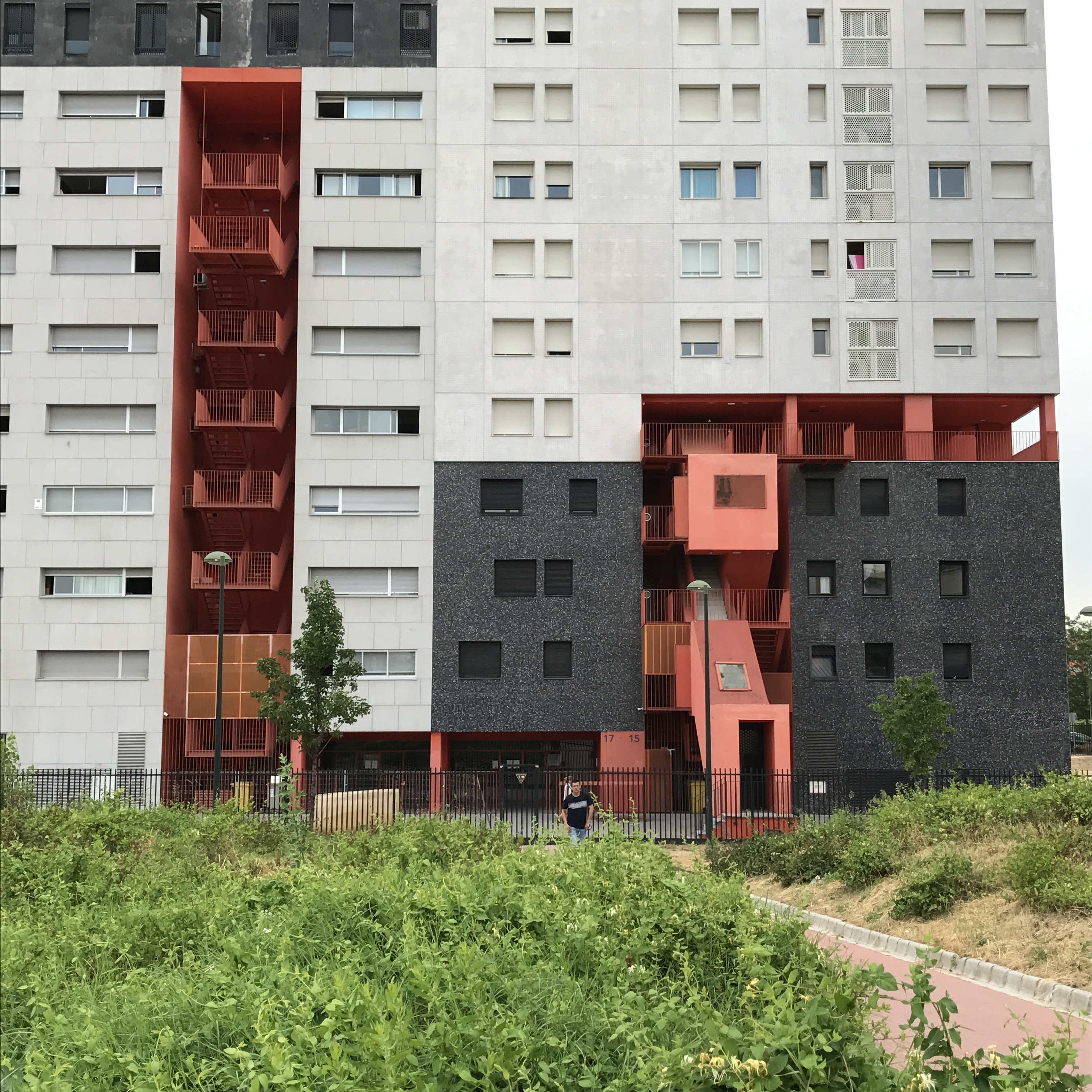
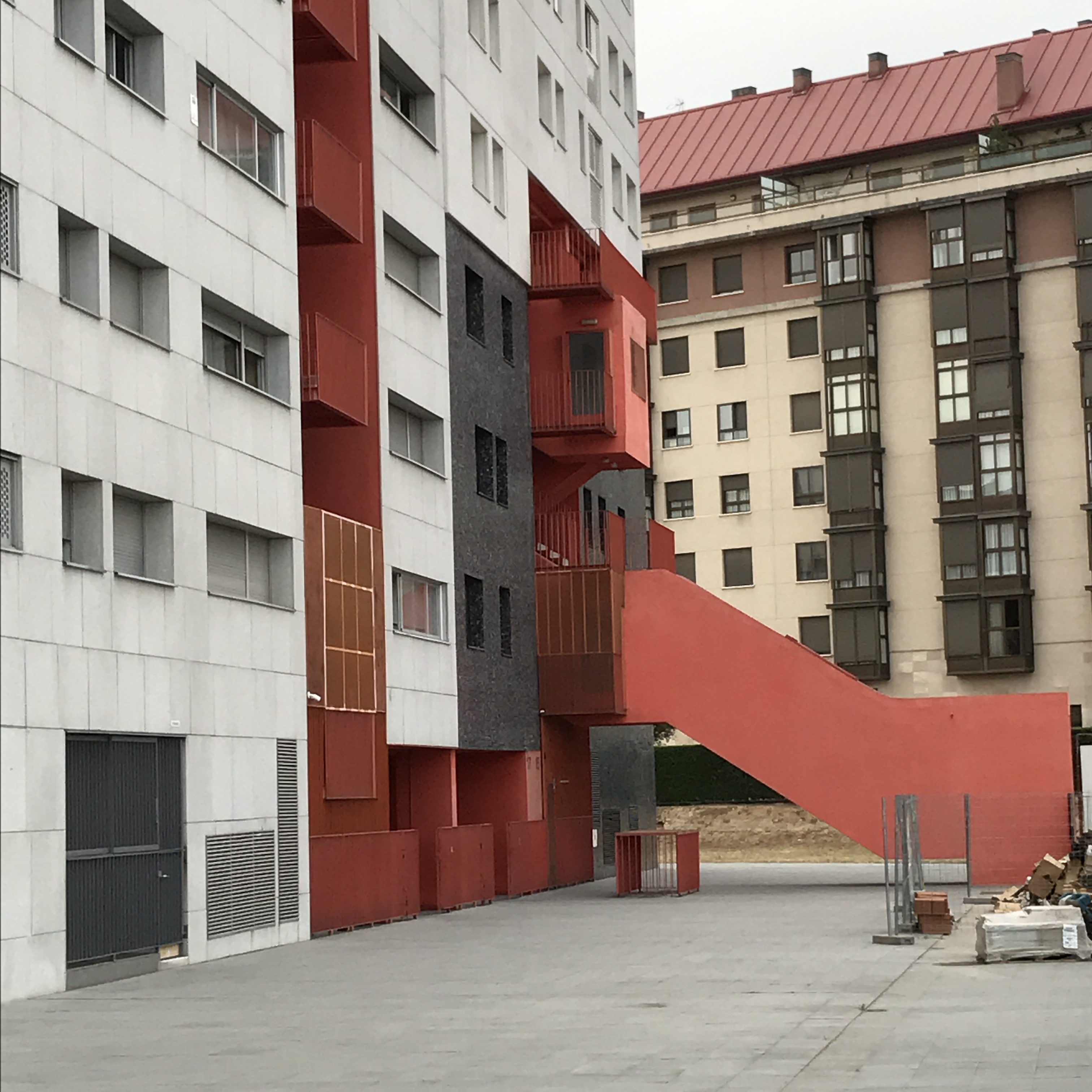
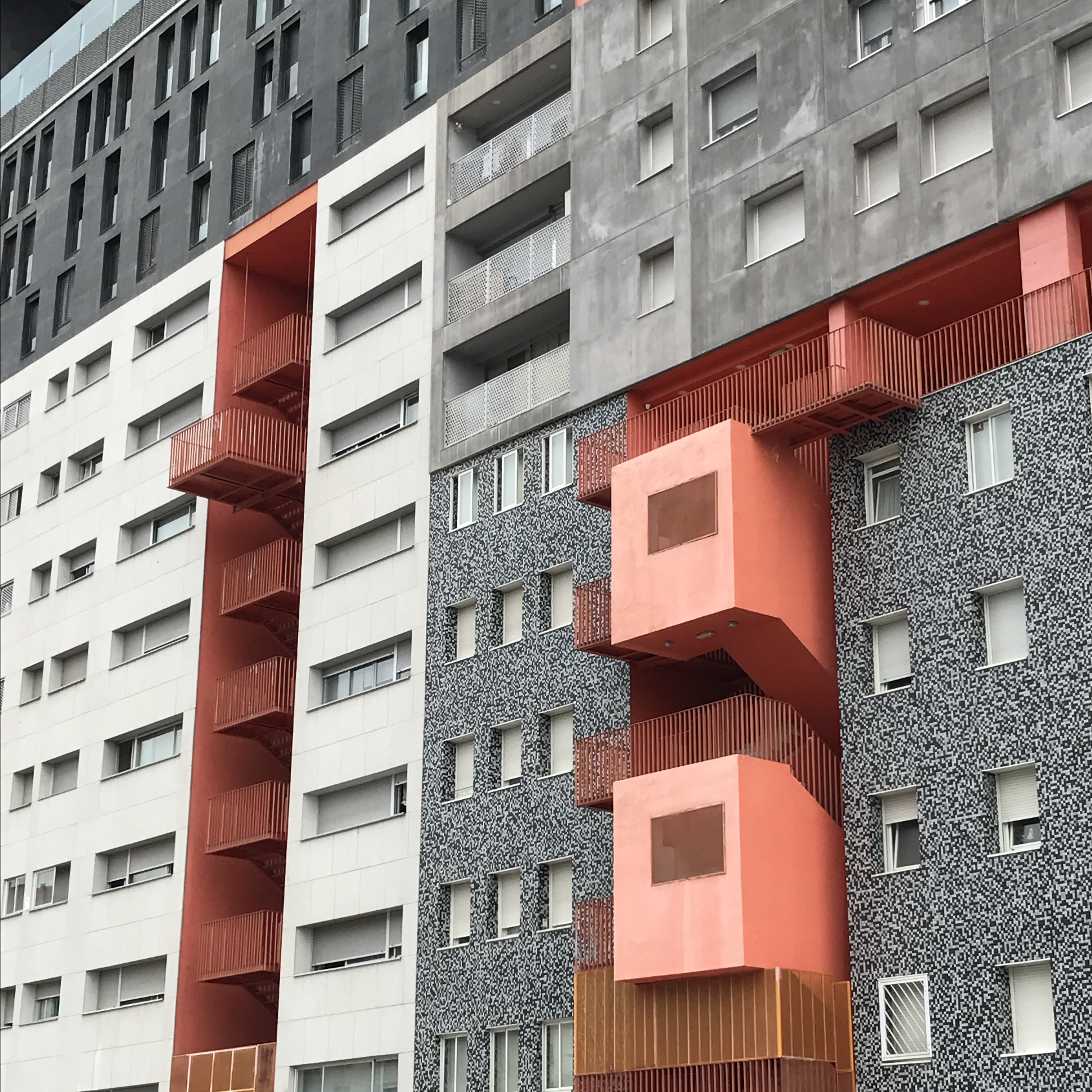
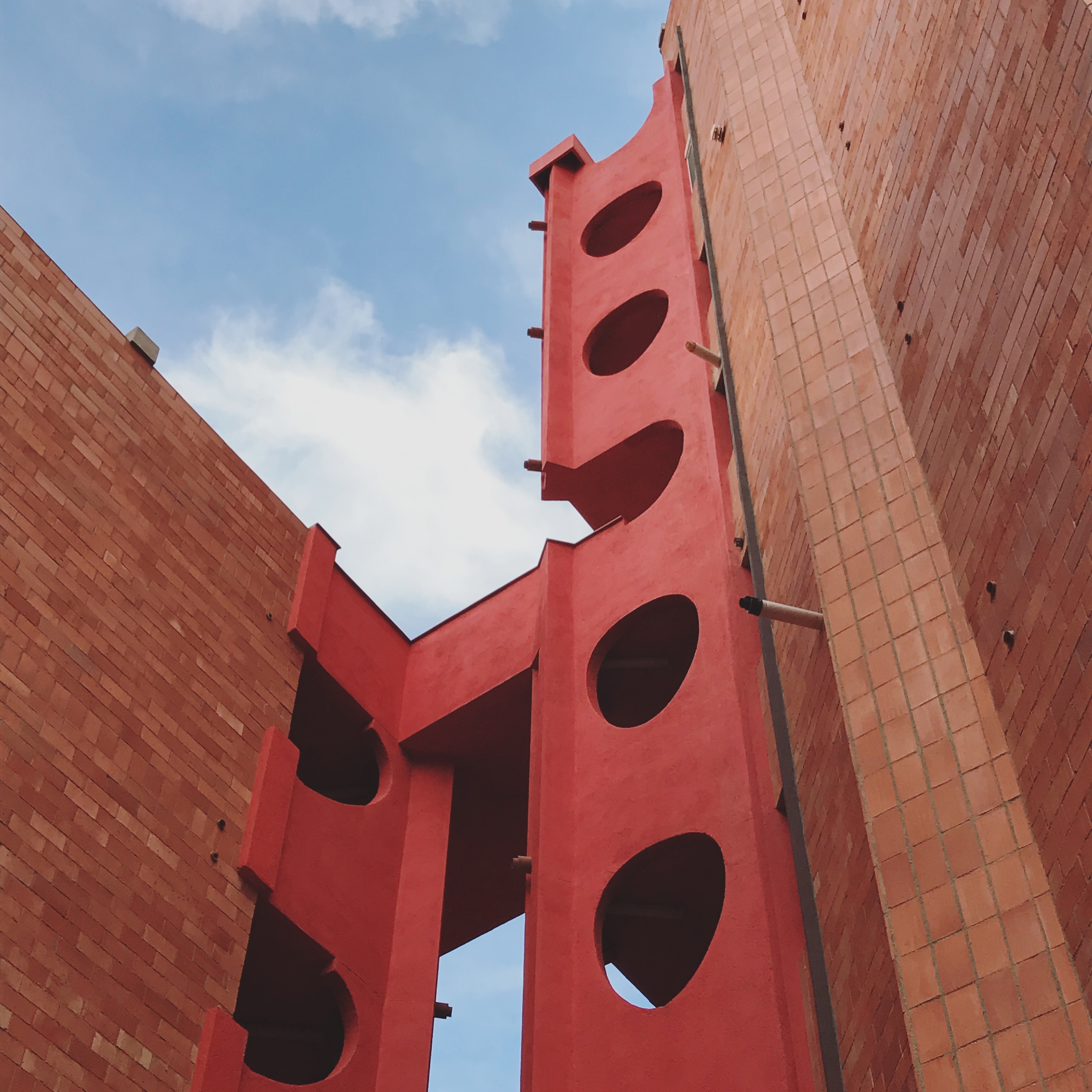
156 apartments for EMV. Existing as a 20 storey building surrounded by the typical 6 storey vernacular. It sits bold and visually prominent. Slices of red run up the side of the building not simply creating a bold, joyful addition to the building, but also defining the fire exits and egress points.
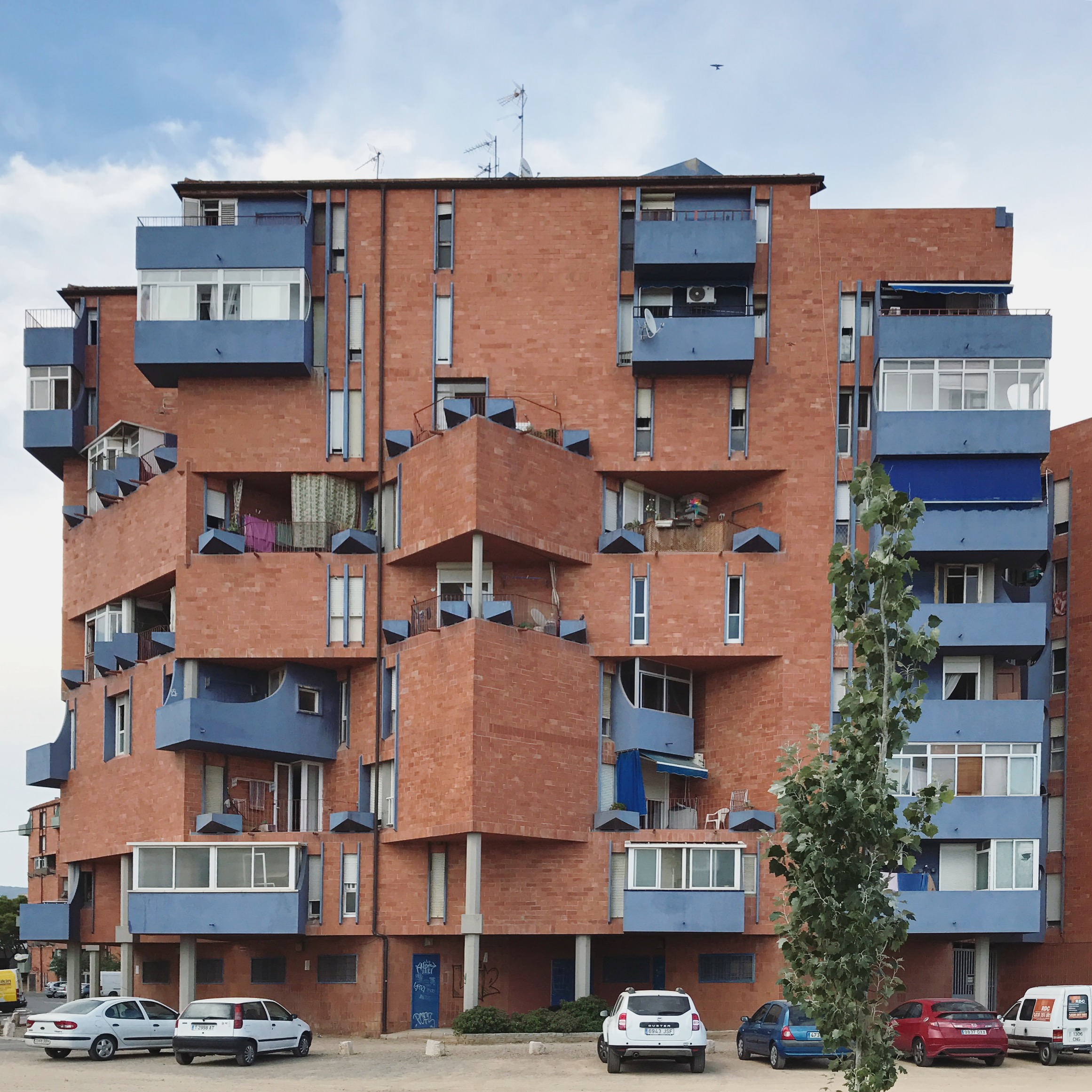
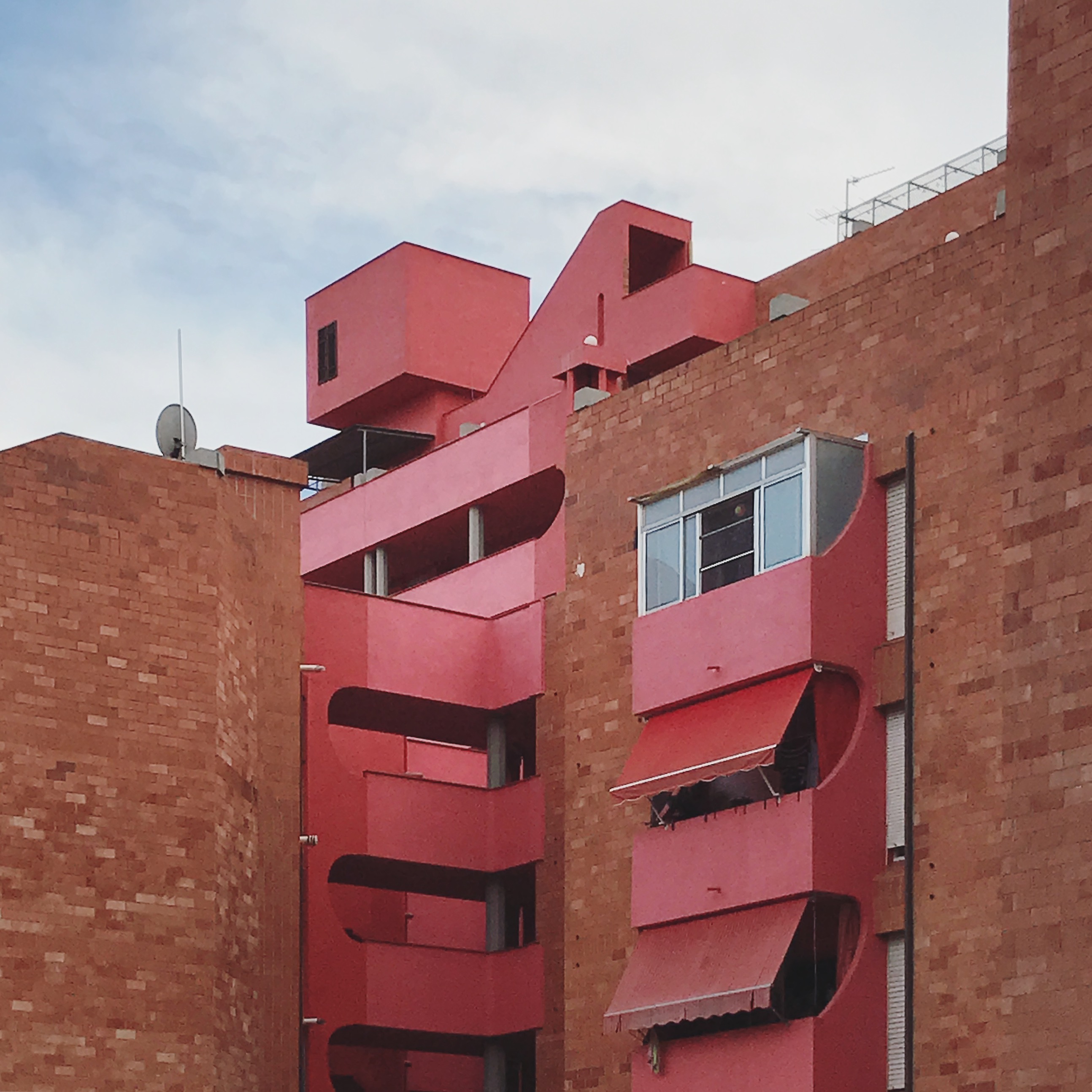
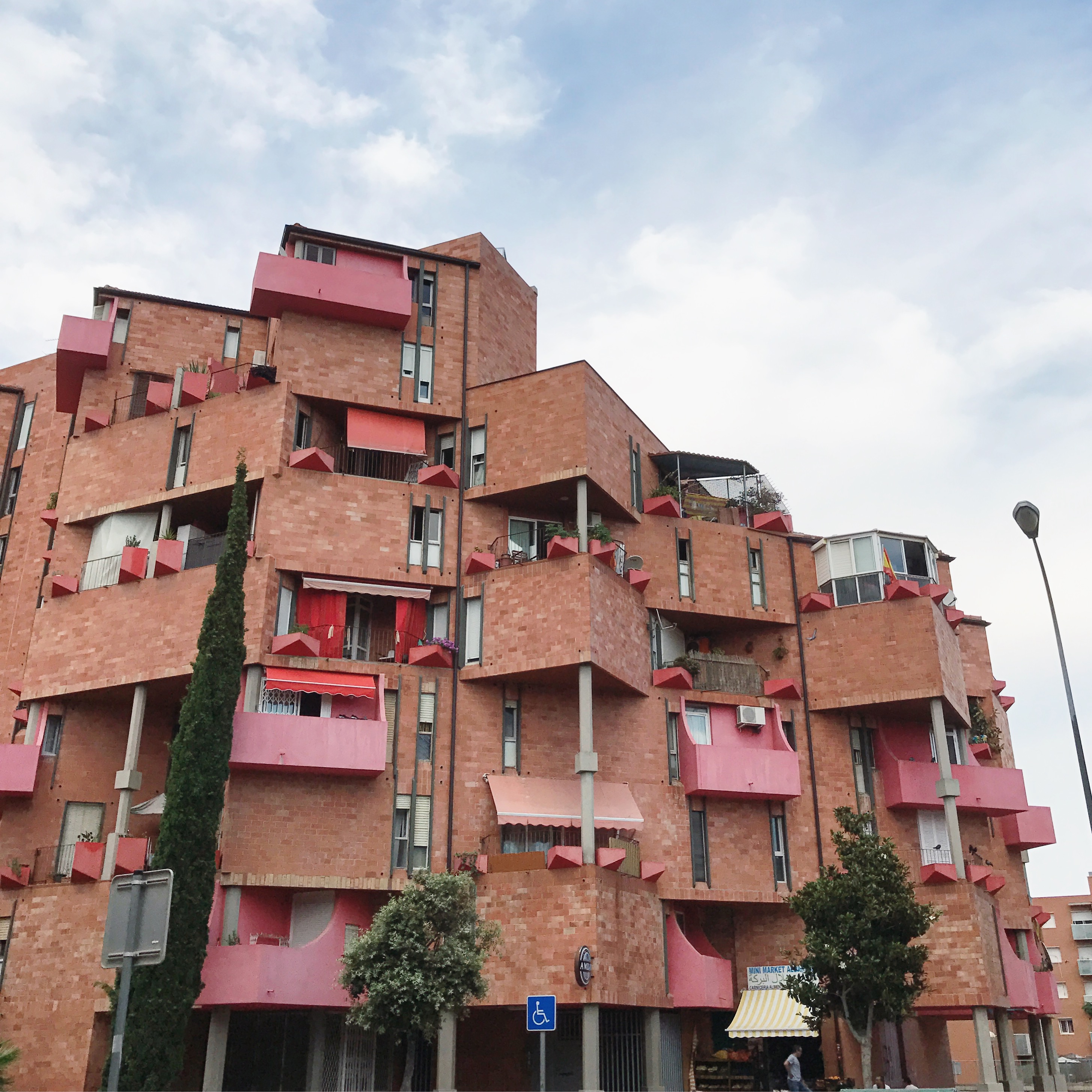
Walden 7 by Riccardo Bofill. Built in 1975. Originally designed as social housing, and that took principles from Bofill’s earlier work in the Reus Gaudi Quarter. This incredible housing project is made up of four monolithic tower forms arranged around 5 courtyards that each penetrate the entire 14 storey building forms. 446 dwellings all designed in modules of 30sqm so that as families grew, they could acquire additional 30sqm segments/modules. On the roof a series of pools, landscaping, drying areas, play areas and garden spaces. And throughout – bridges and cascading landscaped areas, lightcourts and the striking red-earthiness of the façade.
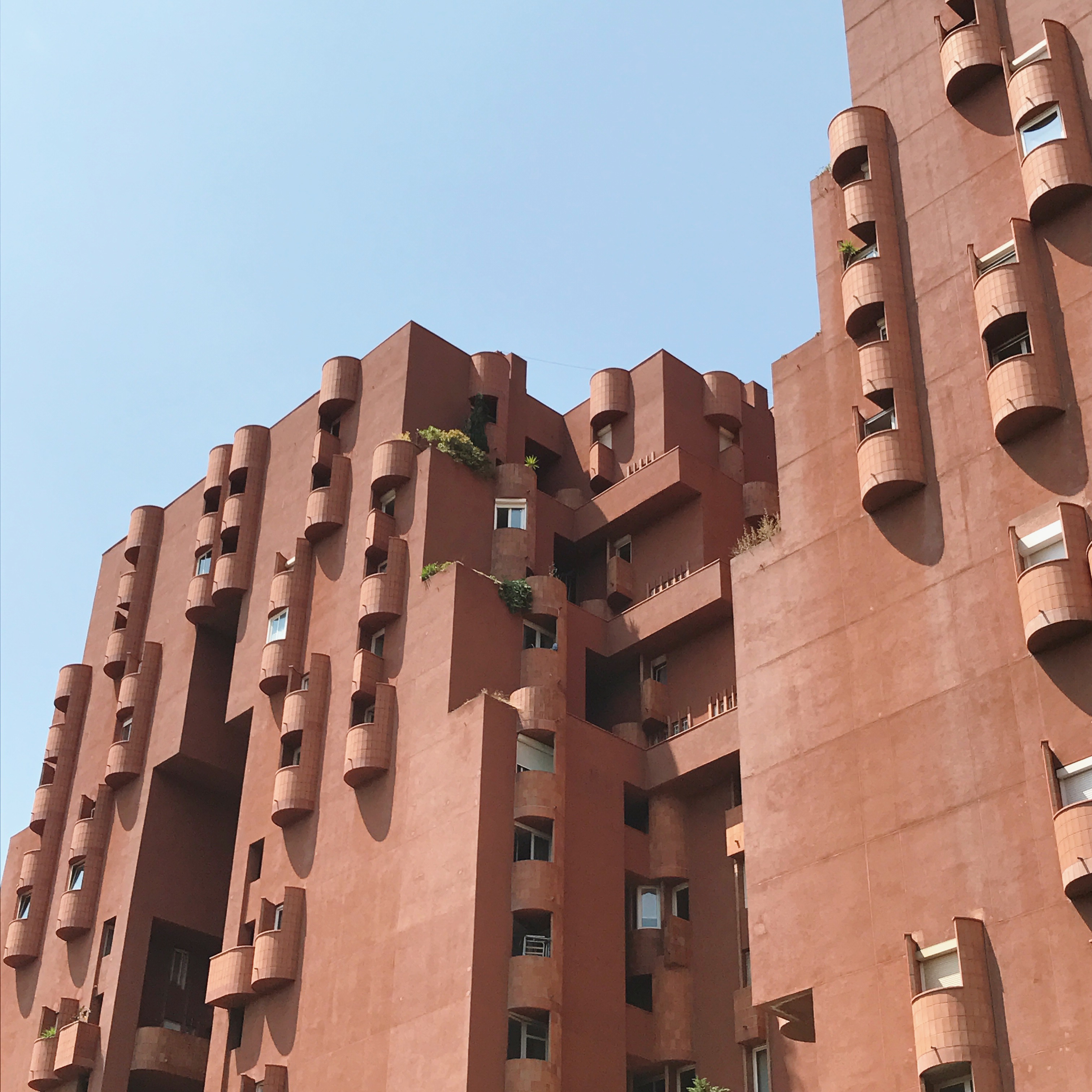

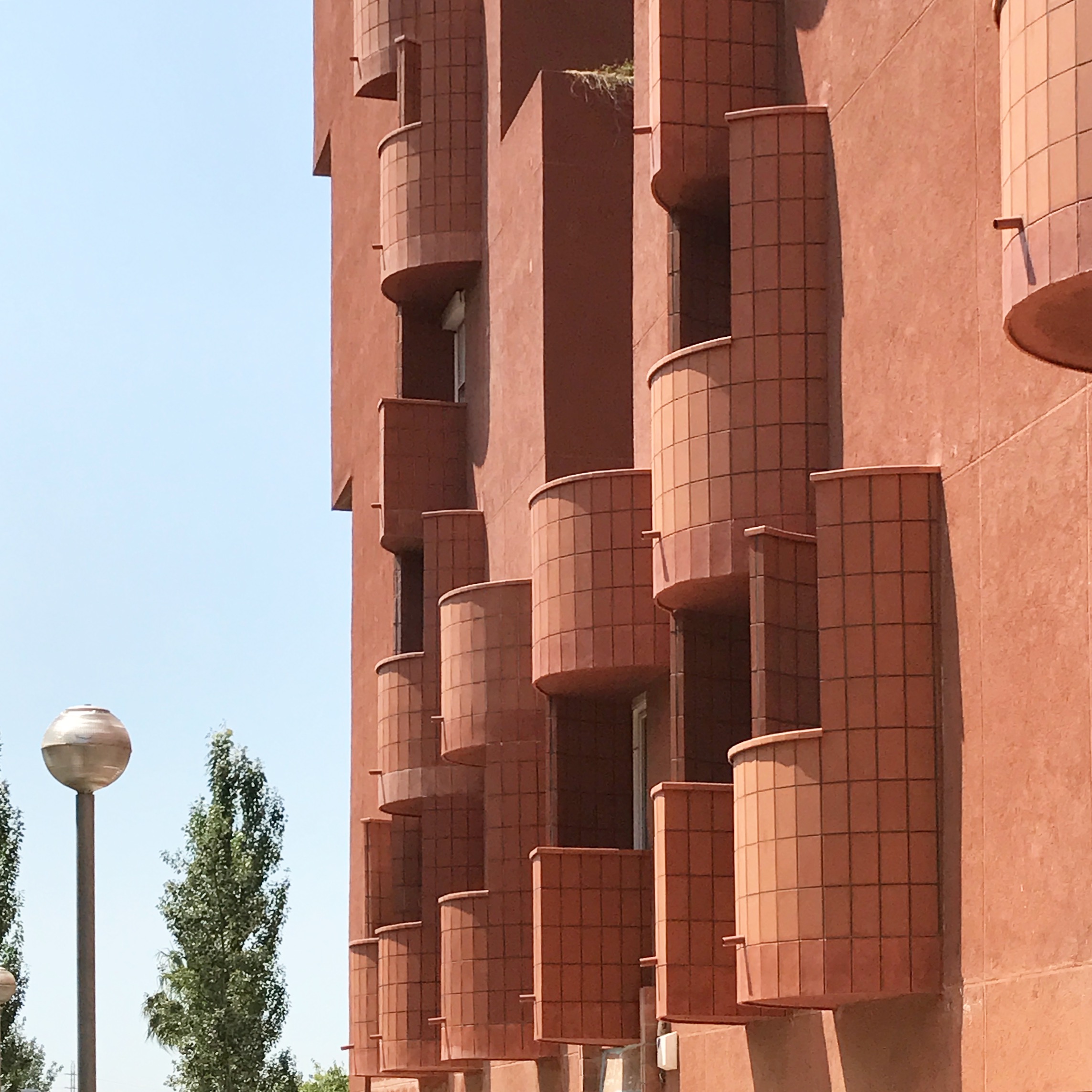
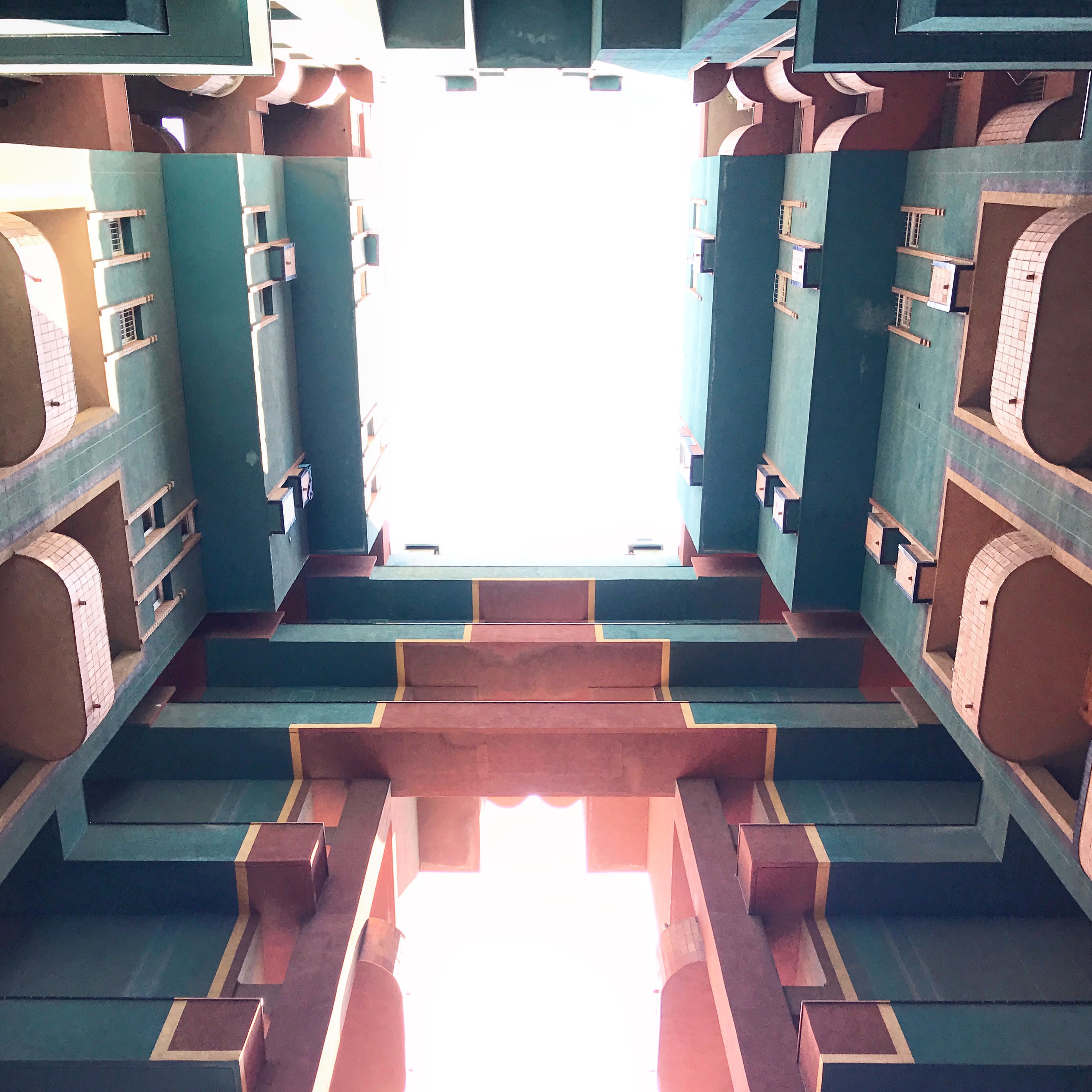
Barri Gaudi.
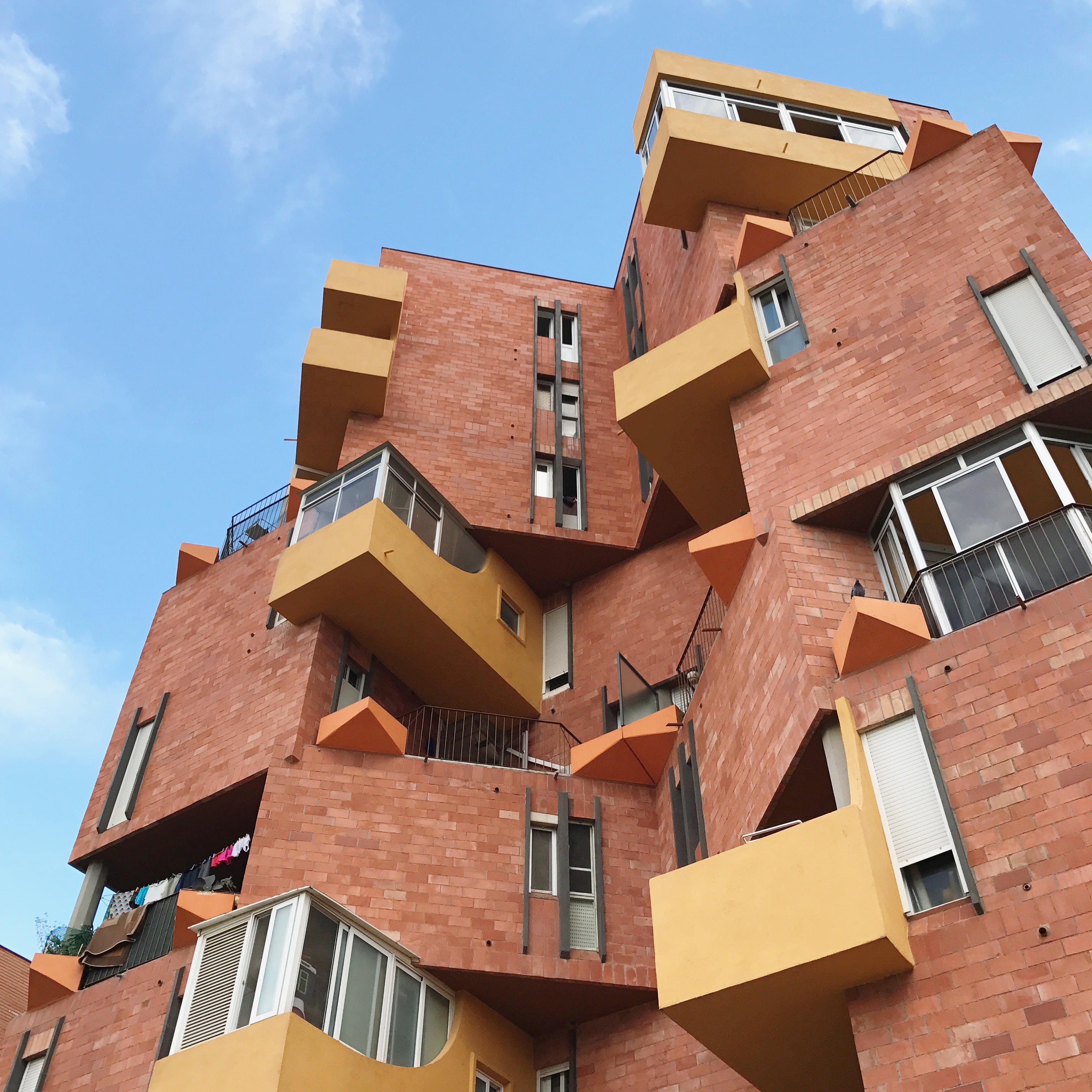
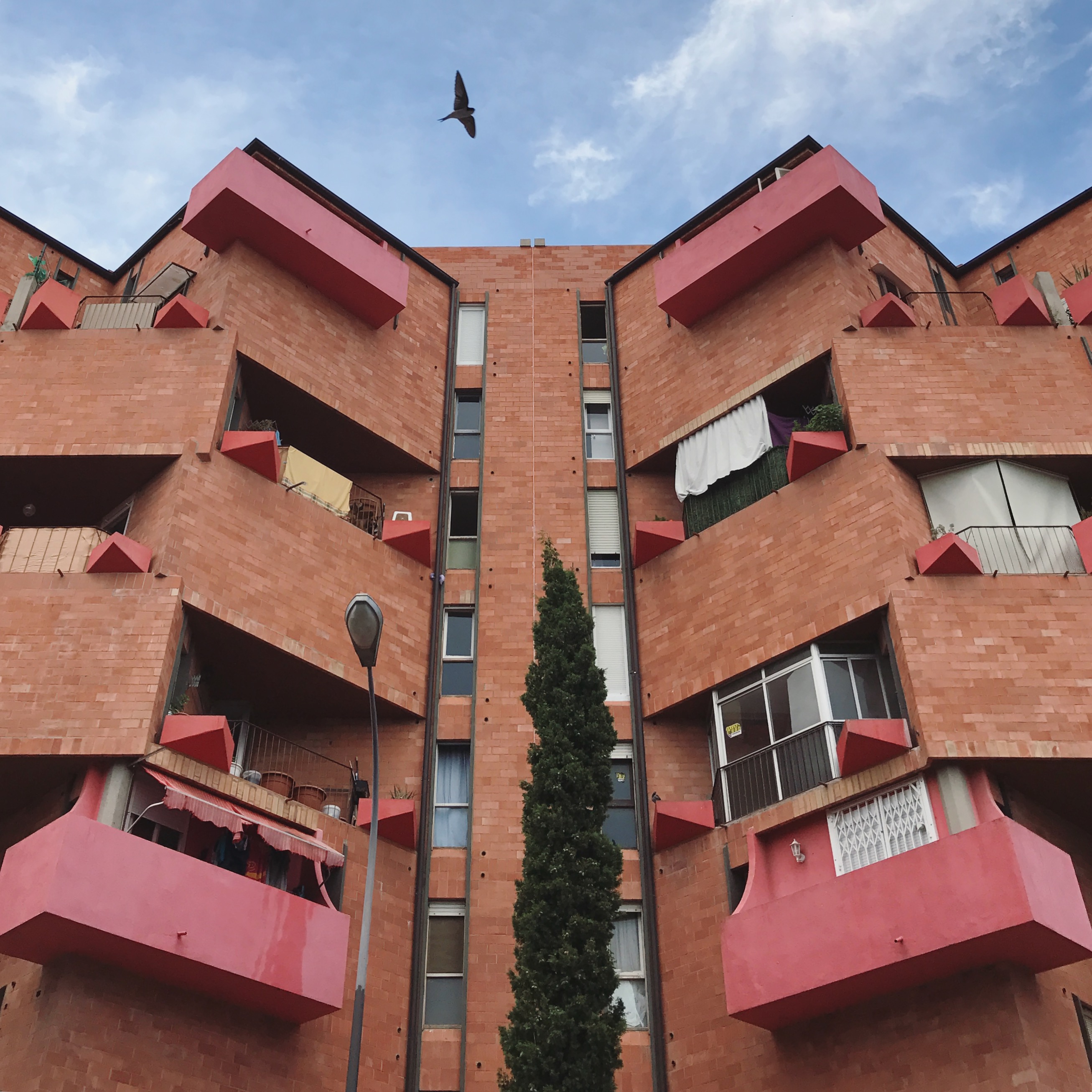
This project is hectic, beautiful, sometimes ugly, totally hypnotic. One of Bofill’s first major projects that explored his ongoing theme: the effect of spatial design on human interaction. This is not simply a building, but an entire ‘barrio’ (neighbourhood) of interlocking, bridged, almost rambling, but complexly arranged dwellings.
Shops, bars, health facilities, supermarkets, grocery stores, barbers, ‘zapateros’, public spaces, common areas, communal halls, gardens, were all incorporated at ground level in an effort to create extensive amenity and activation. An entire, self sufficient community exists within these blocks of units.
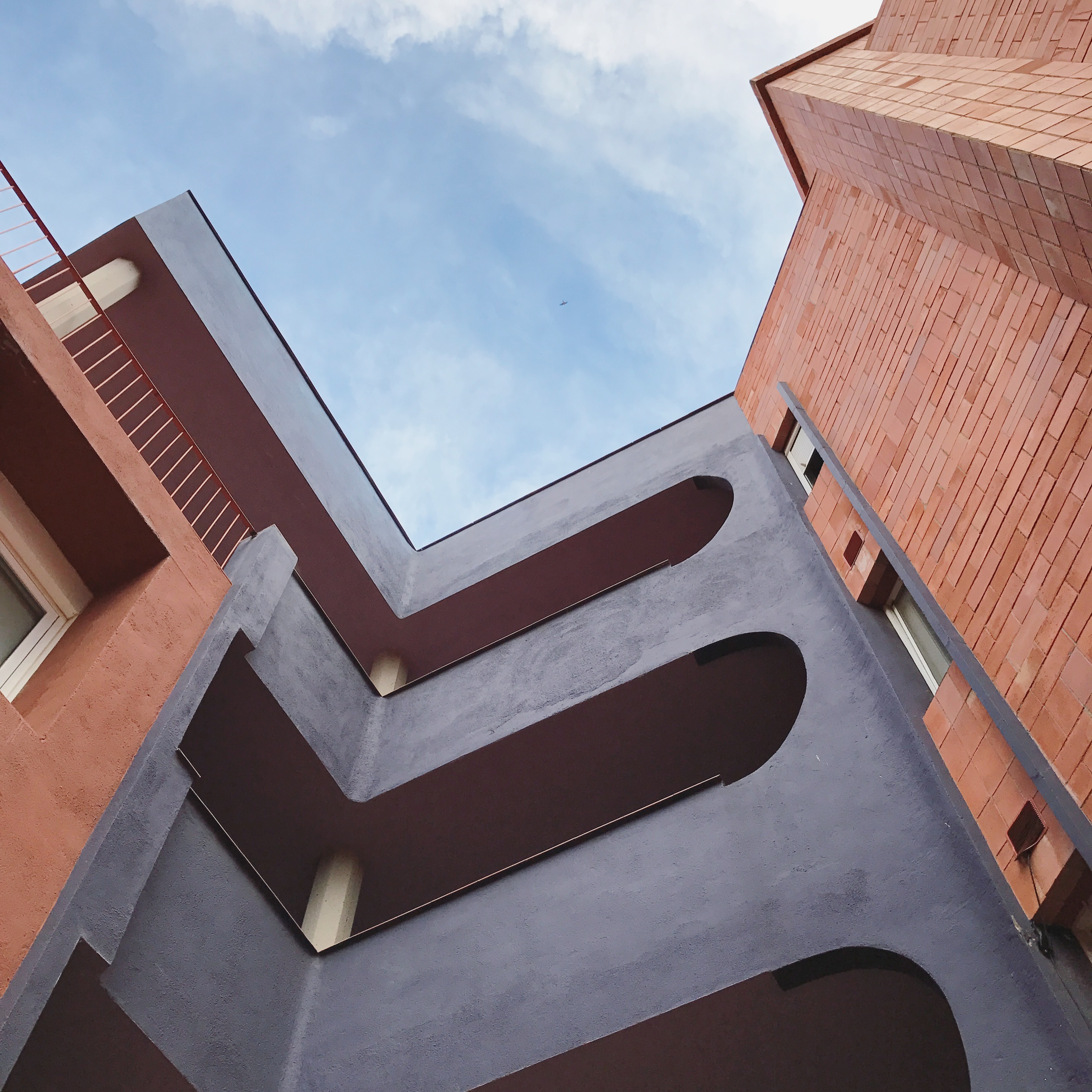
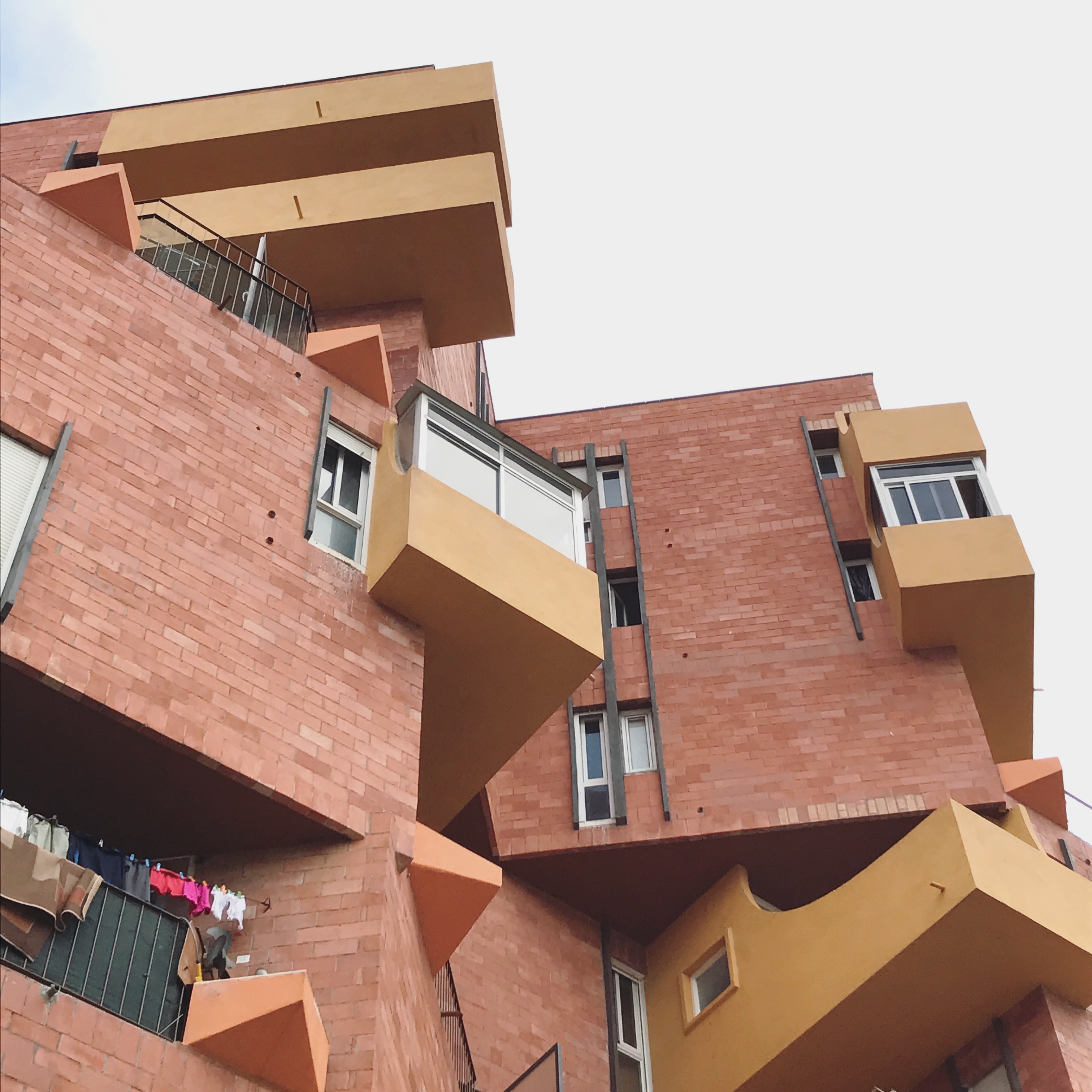
Colour identifies the various smaller communities within the neighbourhood. Complex geometries, connected and bridged apartment blocks, seemingly floating terraces, elevated gardens, and bold architectural forms characterize this project.

 SocialHousing.Design